Ikea Smaller Stores China Expansion
AFBytes Brief
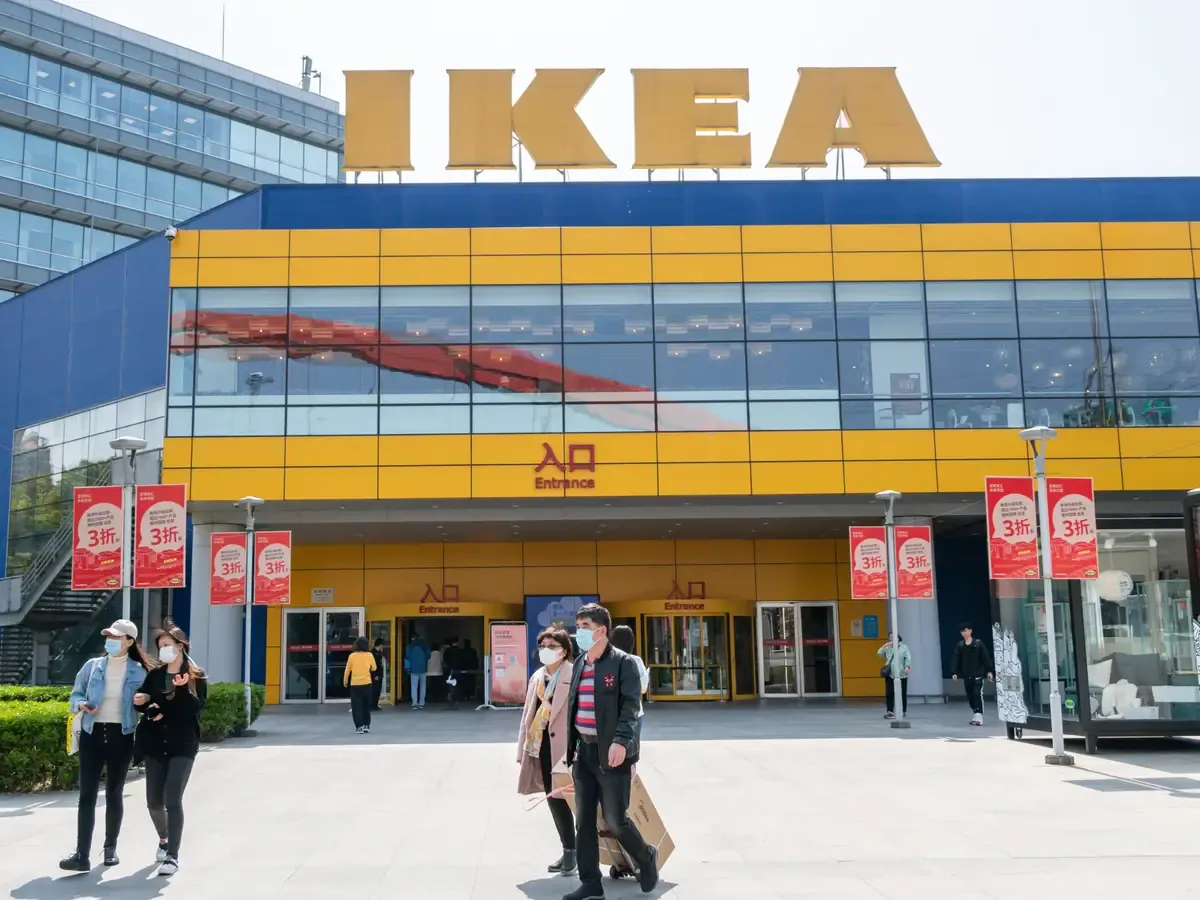
Ikea advances in China with smaller store formats in eastern Beijing. This compact model supports broader expansion strategy. The shift adapts to local market demands.
Why this matters
Global furniture giants' strategies influence U.S. import costs and retail competition. Expansion abroad affects supply chains for American homeowners seeking affordable options. Economic signals from China impact investor confidence in retail stocks.
Quick take
- Money Angle
- Smaller stores reduce capital outlay while targeting dense urban consumer bases.
- Market Impact
- Furniture retail sector in emerging markets gains from Ikea's adaptive growth model.
- Who Benefits
- Urban Chinese consumers access convenient Ikea shopping experiences.
- Who Loses
- Traditional large-format competitors face pressure from compact entrants.
- What to Watch Next
- Observe Ikea's China sales figures for compact model performance.
Perspectives on this story
AI-generated analytical lenses meant to encourage you to think across multiple frames. Not attributed to any individual; not presented as fact.
Household Impact
How this affects family budgets, jobs, and day-to-day life.
Foreign expansions do not alter U.S. Ikea prices or availability directly. Homeowners see steady furniture options unaffected. Daily shopping habits remain unchanged.
America First View
How this lands for readers prioritizing American sovereignty, borders, and domestic industry.
Overseas pushes divert resources from U.S. manufacturing revival efforts. Concerns grow over reliance on Chinese market growth. Fits protectionist stance on domestic retail.
Institutional View
How established institutions -- agencies, courts, allied governments -- are likely to frame it.
Adaptive strategies promote sustainable global retail presence. Supports access to affordable goods internationally. Aligns with inclusive economic development goals.
AFBytes analysis is AI-assisted and generated from source metadata, article summaries, and topic context. It is intended to help readers think through implications, not replace the original reporting from retailnews.asia. See our AI and Summary Disclosure for details.