ex Polish PM blames Merkel von der Leyen for EU damage
AFBytes Brief
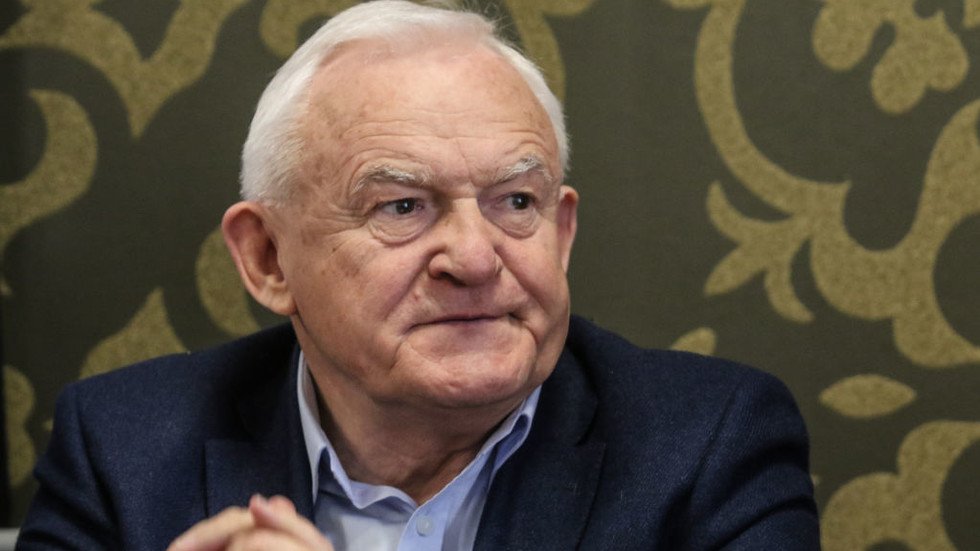
Former Polish prime minister Leszek Miller accused Angela Merkel and Ursula von der Leyen of causing significant harm to the European Union. He also mocked Estonian prime minister Kaja Kallas regarding her approach to Russia.
Why this matters
Criticism of EU leadership highlights ongoing tensions that affect trade relations and regulatory decisions impacting U.S. exporters and investors. American households feel indirect effects through higher costs on imported goods and energy prices tied to European stability.
Quick take
- Money Angle
- Ongoing EU leadership disputes can influence regulatory and trade policies that affect capital flows and corporate margins for firms operating across the Atlantic.
- Market Impact
- European equity indices and U.S. multinationals with heavy EU exposure may see modest volatility depending on the tone of future leadership statements.
- Who Benefits
- Nationalist and Euroskeptic factions gain visibility when senior EU figures are publicly criticized for policy shortcomings.
- Who Loses
- Current EU commission leadership faces reputational pressure that can complicate legislative initiatives and budget negotiations.
- What to Watch Next
- Watch for upcoming European Council meetings or statements from Polish officials that could clarify the extent of internal divisions.
Perspectives on this story
AI-generated analytical lenses meant to encourage you to think across multiple frames. Not attributed to any individual; not presented as fact.
Household Impact
How this affects family budgets, jobs, and day-to-day life.
EU policy disagreements can translate into higher import costs and energy price fluctuations that directly affect family budgets.
America First View
How this lands for readers prioritizing American sovereignty, borders, and domestic industry.
Public criticism of EU cohesion underscores the value of bilateral U.S. trade deals that reduce reliance on Brussels institutions.
Institutional View
How established institutions -- agencies, courts, allied governments -- are likely to frame it.
European agencies and courts will emphasize adherence to treaty procedures and precedent when addressing leadership disputes.
Civil Liberties View
How this reads through the lens of constitutional rights, free speech, and due process.
Debates over EU governance touch on questions of democratic accountability and national sovereignty within member states.
National Security View
How this matters for defense posture, intelligence, and adversary deterrence.
Divisions among EU leaders can weaken coordinated responses to external security threats including energy supply risks.
AFBytes analysis is AI-assisted and generated from source metadata, article summaries, and topic context. It is intended to help readers think through implications, not replace the original reporting from rt.com. See our AI and Summary Disclosure for details.