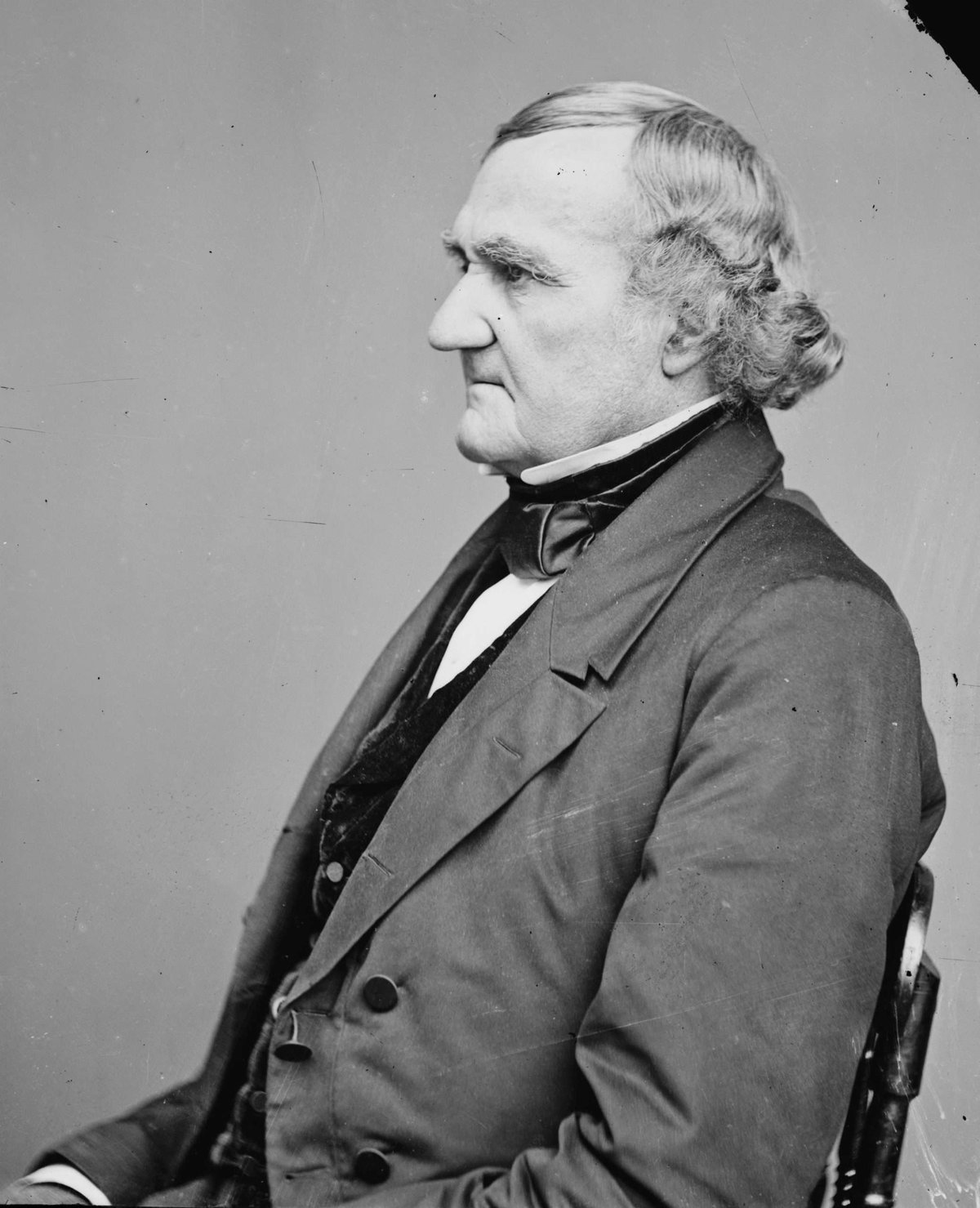
Supreme Court Justice John Catron Death 1865
AFBytes Brief
Justice John Catron died on May 30 1865. His passing left a vacancy on the Supreme Court during the post-Civil War period.
Why this matters
The death of a Supreme Court justice creates a vacancy that affects the court's composition and the balance of legal precedent for years afterward. Such events historically influenced major rulings on constitutional issues that still shape American law.
Quick take
- What to Watch Next
- Watch for any upcoming historical analyses or anniversary coverage that may reference this date and its effect on court composition.
Perspectives on this story
AI-generated analytical lenses meant to encourage you to think across multiple frames. Not attributed to any individual; not presented as fact.
Household Impact
How this affects family budgets, jobs, and day-to-day life.
Changes in Supreme Court membership can eventually affect legal standards governing contracts, property, and civil rights that touch daily life.
America First View
How this lands for readers prioritizing American sovereignty, borders, and domestic industry.
Historical court vacancies underscore the importance of domestic judicial appointments to national sovereignty and legal self-reliance.
Institutional View
How established institutions -- agencies, courts, allied governments -- are likely to frame it.
The judiciary views such deaths as routine transitions handled through constitutional appointment procedures and Senate confirmation.
Civil Liberties View
How this reads through the lens of constitutional rights, free speech, and due process.
Vacancies raise questions about continuity in protection of due process and equal protection principles under the Constitution.
National Security View
How this matters for defense posture, intelligence, and adversary deterrence.
Court composition influences rulings on federal authority that can affect defense and security policy frameworks.
Adversary View
How foreign rivals are likely to frame this story. Not presented as fact and does not reflect the views of AFBytes.
No clear adversary framing applies to this story.
AFBytes analysis is AI-assisted and generated from source metadata, article summaries, and topic context. It is intended to help readers think through implications, not replace the original reporting from reason.com. See our AI and Summary Disclosure for details.