US Iran talks may set stage for renewed strikes
AFBytes Brief
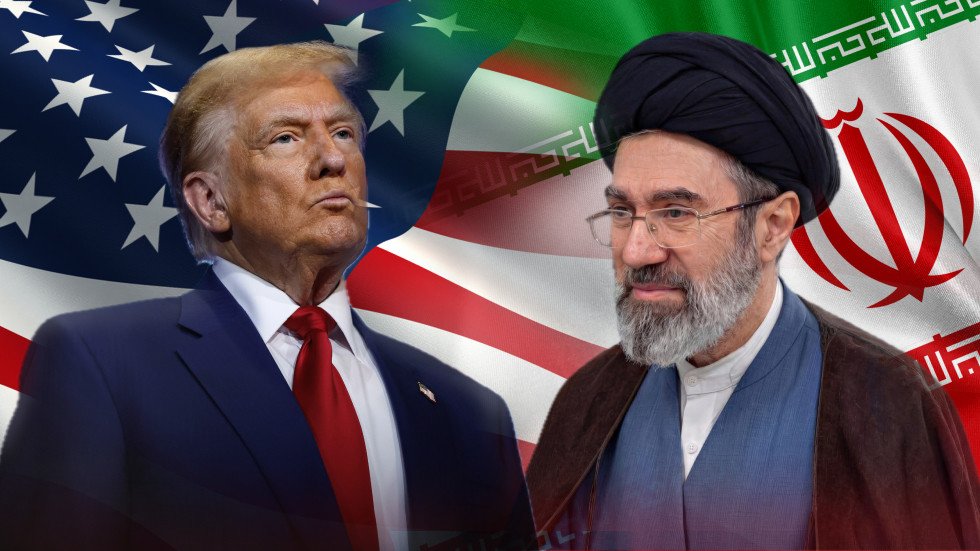
Current U.S.-Iran negotiations are portrayed as unlikely to produce a durable settlement and may instead prepare the ground for additional strikes. Observers cite the terms under discussion as evidence of this trajectory.
Why this matters
Renewed conflict in the Middle East risks higher oil prices and potential U.S. military involvement that affects defense budgets and taxpayer costs.
Quick take
- Money Angle
- Escalation would push defense contractors and energy prices higher while increasing fiscal pressure on the federal budget.
- Market Impact
- Defense stocks and oil futures would likely advance on any credible signs of renewed operations.
- Who Benefits
- U.S. defense contractors receive additional orders if military activity expands.
- Who Loses
- Taxpayers shoulder higher defense spending and households pay more at the pump.
- What to Watch Next
- Monitor State Department statements and any scheduled congressional briefings on regional developments.
Perspectives on this story
AI-generated analytical lenses meant to encourage you to think across multiple frames. Not attributed to any individual; not presented as fact.
Household Impact
How this affects family budgets, jobs, and day-to-day life.
Higher energy prices from regional instability would raise gasoline and utility costs for American families.
America First View
How this lands for readers prioritizing American sovereignty, borders, and domestic industry.
Clear limits on U.S. commitments abroad help preserve resources for domestic priorities and border security.
Institutional View
How established institutions -- agencies, courts, allied governments -- are likely to frame it.
The executive branch and Congress evaluate military options under existing authorizations and international agreements.
Civil Liberties View
How this reads through the lens of constitutional rights, free speech, and due process.
Expanded military actions can raise questions about executive war powers and oversight by elected representatives.
National Security View
How this matters for defense posture, intelligence, and adversary deterrence.
Stable deterrence and alliance coordination remain essential to preventing wider conflict that draws in U.S. forces.
AFBytes analysis is AI-assisted and generated from source metadata, article summaries, and topic context. It is intended to help readers think through implications, not replace the original reporting from rt.com. See our AI and Summary Disclosure for details.