Tech Industry Faces Political Divisions Over Energy Policy
AFBytes Brief
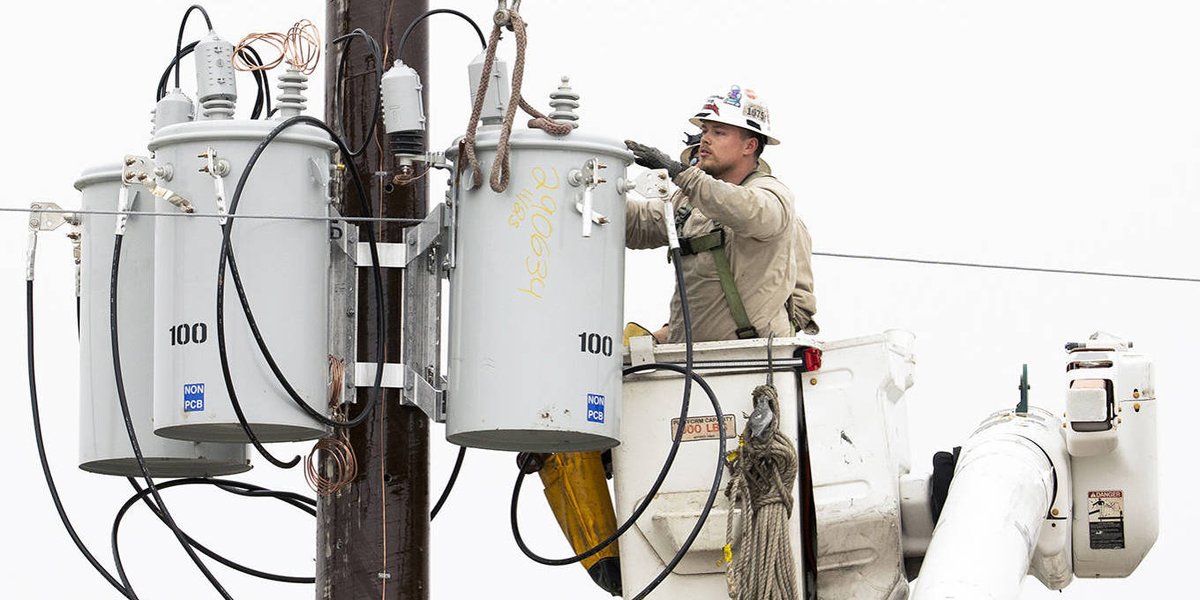
A potential rift between technology firms and a key political constituency centers on electrical grid capacity. Policy disagreements involve permitting, generation sources, and data center demand.
Why this matters
Energy infrastructure decisions affect electricity costs for households and industrial users nationwide.
Quick take
- Money Angle
- Grid expansion costs and permitting delays influence capital spending by technology companies and utilities.
- Market Impact
- Utility and infrastructure stocks may face volatility tied to federal and state permitting reforms.
- Who Benefits
- Utilities with existing generation assets gain from higher power demand driven by data centers.
- Who Loses
- Technology firms encounter higher operating costs when grid upgrades lag behind demand growth.
- What to Watch Next
- Monitor upcoming Federal Energy Regulatory Commission orders on transmission planning.
Perspectives on this story
AI-generated analytical lenses meant to encourage you to think across multiple frames. Not attributed to any individual; not presented as fact.
Household Impact
How this affects family budgets, jobs, and day-to-day life.
Electricity ratepayers may see higher bills if new generation and transmission projects raise costs.
America First View
How this lands for readers prioritizing American sovereignty, borders, and domestic industry.
Domestic manufacturing and data center growth depend on reliable U.S. power infrastructure.
Institutional View
How established institutions -- agencies, courts, allied governments -- are likely to frame it.
Federal regulators evaluate grid projects under statutory authority for reliability and cost allocation.
Civil Liberties View
How this reads through the lens of constitutional rights, free speech, and due process.
No direct civil liberties principle is central to grid infrastructure debates.
National Security View
How this matters for defense posture, intelligence, and adversary deterrence.
Secure domestic power supply supports critical infrastructure and reduces reliance on foreign energy sources.
Adversary View
How foreign rivals are likely to frame this story. Not presented as fact and does not reflect the views of AFBytes.
No clear adversary framing applies to this story.
AFBytes analysis is AI-assisted and generated from source metadata, article summaries, and topic context. It is intended to help readers think through implications, not replace the original reporting from project-syndicate.org. See our AI and Summary Disclosure for details.