Trump Orders US Escorts Strait of Hormuz
AFBytes Brief
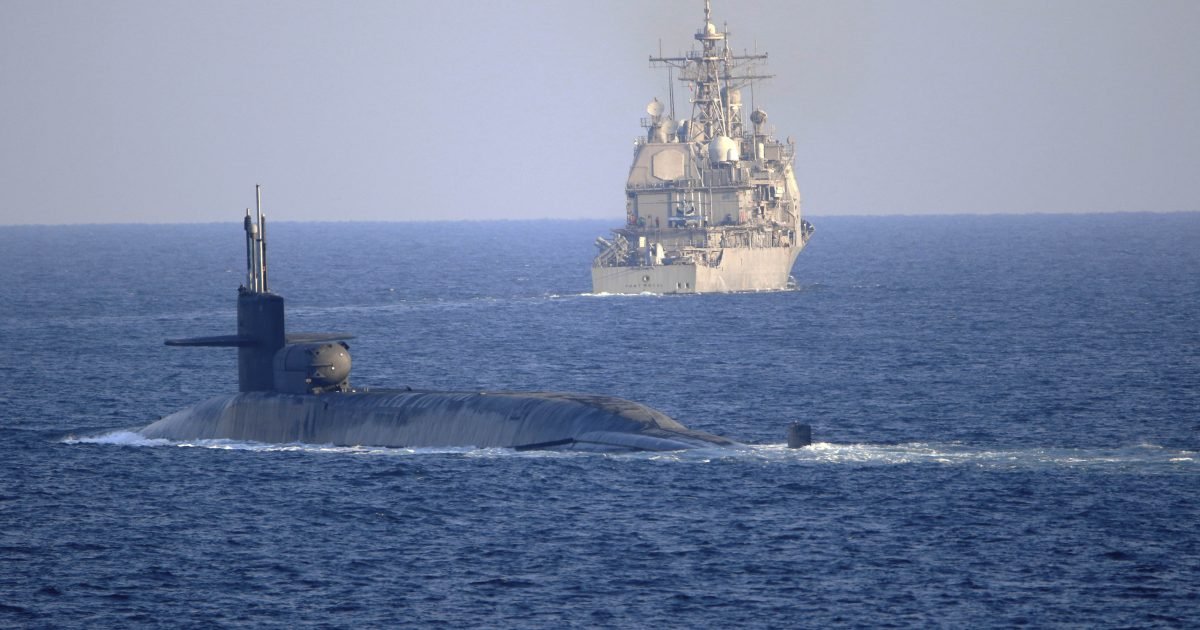
President Trump orders U.S. military escorts for foreign ships through Strait of Hormuz after cargo vessel attack. The directive aims to secure passage. Regional tensions prompt the move.
Why this matters
Escorts protect global oil flows stabilizing U.S. energy prices and trade. Foreign policy actions risk drawing troops into conflicts. Drivers face pump price volatility from disruptions.
Quick take
- Money Angle
- Secure Hormuz passage maintains oil supply chains supporting stable U.S. fuel costs.
- Market Impact
- Oil futures dip on reduced blockade fears; defense stocks like Lockheed rise.
- Who Benefits
- U.S. Navy contractors secure contracts from escort operations.
- Who Loses
- Adversaries in region face heightened U.S. naval presence.
- What to Watch Next
- Watch for Hormuz transit reports indicating escalation levels.
Perspectives on this story
AI-generated analytical lenses meant to encourage you to think across multiple frames. Not attributed to any individual; not presented as fact.
Household Impact
How this affects family budgets, jobs, and day-to-day life.
Escorts stabilize gas prices protecting family budgets. Reduces risks of trade disruptions. Safeguards jobs in energy sectors.
America First View
How this lands for readers prioritizing American sovereignty, borders, and domestic industry.
Applaud strong deterrence showing America First resolve. View as necessary against Iranian threats. Reinforces military strength abroad.
Institutional View
How established institutions -- agencies, courts, allied governments -- are likely to frame it.
Worry over provocation risking wider war and troop involvement. Prefer diplomacy over shows of force. Concerns endless Middle East engagements.
AFBytes analysis is AI-assisted and generated from source metadata, article summaries, and topic context. It is intended to help readers think through implications, not replace the original reporting from thegatewaypundit.com. See our AI and Summary Disclosure for details.