Russia Pavilion Opens Venice Biennale Despite Sanctions
AFBytes Brief
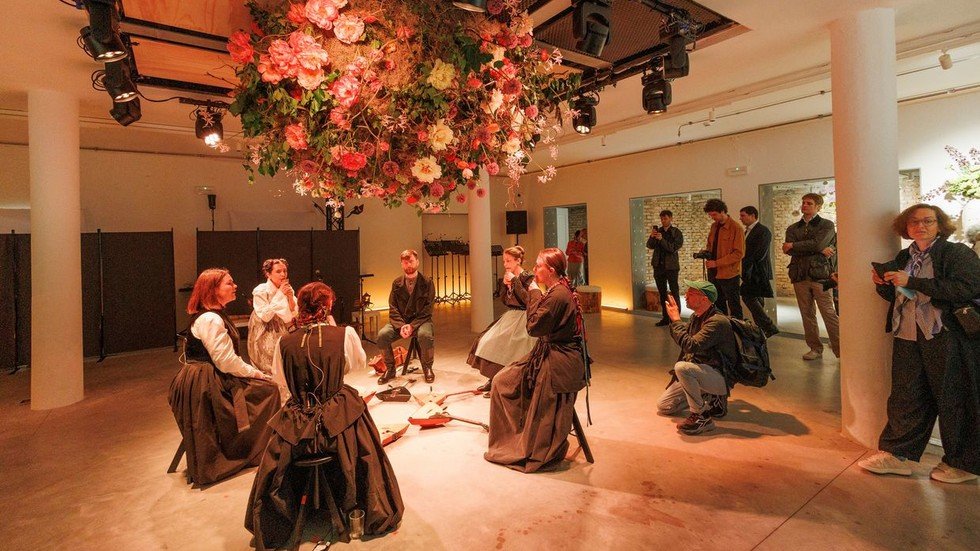
Russia's national pavilion opened at the Venice Biennale in Italy after a four-year absence. The event proceeded despite opposition from EU authorities and reductions in funding. Protests occurred but did not prevent the opening.
Why this matters
This development signals Russia's persistence in global cultural forums amid sanctions. It touches foreign policy by testing enforcement of international restrictions. Americans following diplomacy see how cultural venues become battlegrounds for geopolitical tensions.
Perspectives on this story
AI-generated analytical lenses meant to encourage you to think across multiple frames. Not attributed to any individual; not presented as fact.
Household Impact
How this affects family budgets, jobs, and day-to-day life.
Working families see little relevance to daily routines like grocery bills or school safety. This cultural story does not alter household budgets or job markets. Practical impacts remain negligible for most.
America First View
How this lands for readers prioritizing American sovereignty, borders, and domestic industry.
They interpret this as Russia standing firm against EU overreach and weak sanctions. The defiance aligns with admiration for national sovereignty pushes. It reinforces skepticism toward multilateral pressures from Brussels.
Institutional View
How established institutions -- agencies, courts, allied governments -- are likely to frame it.
They view the opening as eroding sanctions meant to isolate Russia. Protests highlight appropriate resistance to normalization. This fits concerns about maintaining accountability for international aggression.
AFBytes analysis is AI-assisted and generated from source metadata, article summaries, and topic context. It is intended to help readers think through implications, not replace the original reporting from rt.com. See our AI and Summary Disclosure for details.