Putin Xi Summit Frames End of Unipolar Era
AFBytes Brief
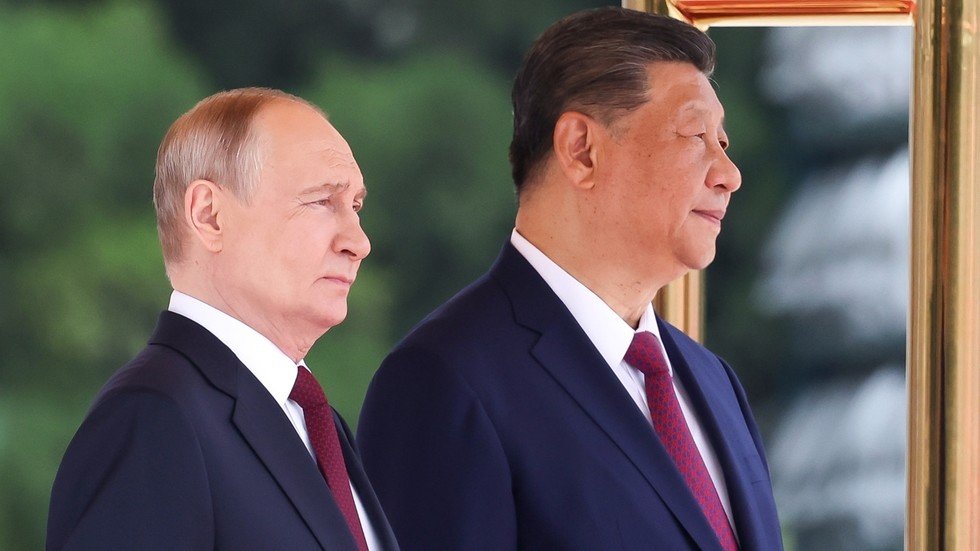
The recent Putin-Xi summit in Beijing is presented as confirmation that the unipolar era has ended. The analysis emphasizes an emerging multipolar distribution of influence.
Why this matters
Narratives about shifting global power can influence long-term U.S. strategic planning and alliance commitments.
Perspectives on this story
AI-generated analytical lenses meant to encourage you to think across multiple frames. Not attributed to any individual; not presented as fact.
Household Impact
How this affects family budgets, jobs, and day-to-day life.
Broad geopolitical commentary rarely produces immediate changes in domestic prices or employment.
America First View
How this lands for readers prioritizing American sovereignty, borders, and domestic industry.
U.S. policy can still shape outcomes through targeted economic and security instruments regardless of global narratives.
Institutional View
How established institutions -- agencies, courts, allied governments -- are likely to frame it.
State and Defense departments evaluate alliance structures based on capabilities and treaty obligations.
Civil Liberties View
How this reads through the lens of constitutional rights, free speech, and due process.
Foreign-policy debate occurs within constitutional bounds governing executive and legislative roles.
National Security View
How this matters for defense posture, intelligence, and adversary deterrence.
Multipolar dynamics require continued investment in forward-deployed forces and technology superiority.
AFBytes analysis is AI-assisted and generated from source metadata, article summaries, and topic context. It is intended to help readers think through implications, not replace the original reporting from rt.com. See our AI and Summary Disclosure for details.