NATO Divided on Ukrainian Drone Airspace Incidents
AFBytes Brief
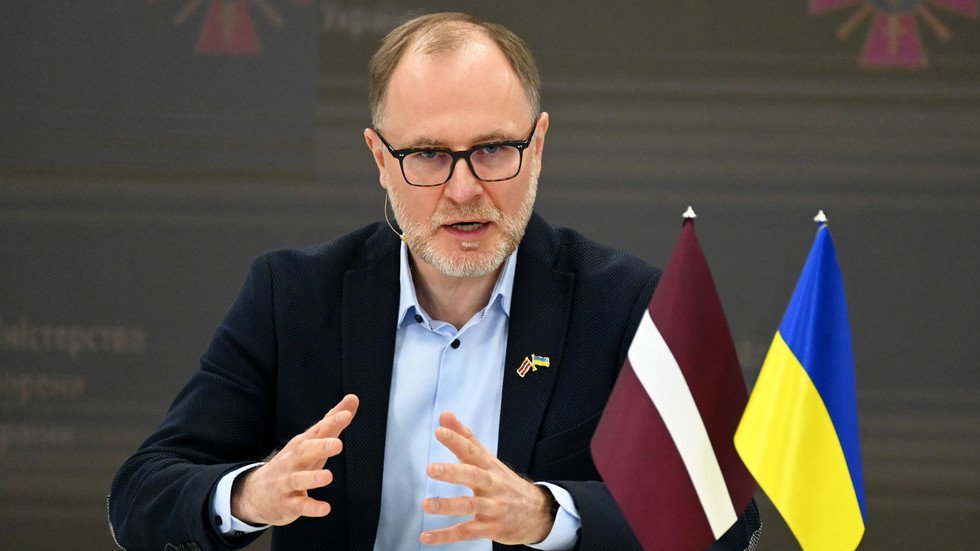
NATO members disagree on responsibility for Ukrainian drones entering alliance airspace. Latvia's defense minister blames Russia for the incidents. Divisions emerge within the bloc on response.
Why this matters
NATO fractures over Ukraine risk U.S. commitment credibility and defense spending burdens. Americans bear alliance costs amid escalation fears. Unity affects deterrence against broader threats.
Quick take
- What to Watch Next
- NATO summit statements will clarify bloc consensus on airspace violations.
Perspectives on this story
AI-generated analytical lenses meant to encourage you to think across multiple frames. Not attributed to any individual; not presented as fact.
Household Impact
How this affects family budgets, jobs, and day-to-day life.
Remote drone spats add to alliance dues without enhancing U.S. safety. Escalation risks higher energy prices. Unity preserves but divisions worry.
America First View
How this lands for readers prioritizing American sovereignty, borders, and domestic industry.
Blaming Russia fits but exposes NATO freeloaders dodging responsibility. U.S. shouldn't fund endless Ukraine proxy fights. Divisions validate withdrawal talks.
Institutional View
How established institutions -- agencies, courts, allied governments -- are likely to frame it.
Drone incursions demand collective defense invocation against Russian enablers. Latvian stance strengthens alliance resolve. This counters appeasement.
AFBytes analysis is AI-assisted and generated from source metadata, article summaries, and topic context. It is intended to help readers think through implications, not replace the original reporting from rt.com. See our AI and Summary Disclosure for details.