Putin Sets Condition for Zelensky Meeting
AFBytes Brief
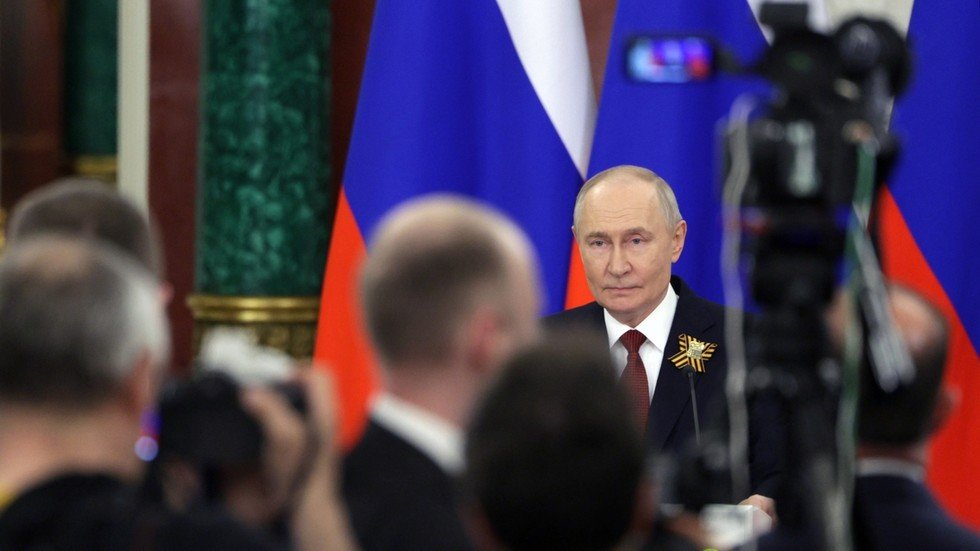
Russian President Vladimir Putin indicated that the Ukraine conflict is nearing its end. He stated readiness to meet Ukrainian President Volodymyr Zelensky at any location following the conclusion of a long-term peace agreement. This position highlights Russia's stipulations for direct negotiations.
Why this matters
The Ukraine conflict shapes U.S. foreign policy through ongoing military aid exceeding tens of billions of dollars, directly impacting federal budgets and taxpayer burdens. A potential peace deal could curtail these expenditures but might alter NATO dynamics and European security arrangements that involve American commitments. Shifts in the conflict also influence global energy supplies and commodity prices affecting U.S. households.
Three takes on this
AI-generated framings meant to encourage you to think. Not attributed to any individual; not presented as fact.
Everyday American
Will this make day-to-day life better or worse for my family?
Working families would see this as a possible step toward ending U.S. financial support for Ukraine, which could ease pressures on federal spending and taxes. Lower aid outflows might indirectly stabilize energy prices at the pump if the conflict de-escalates supply disruptions. However, prolonged uncertainty keeps defense-related job markets volatile for communities reliant on military contracts.
MAGA Republicans
What this likely confirms or alarms in their worldview.
MAGA Republicans would interpret Putin's condition as a realistic push for resolution on Russia's terms, validating skepticism toward open-ended U.S. involvement abroad. They would highlight how it exposes the costs of supporting Ukraine without decisive outcomes, aligning with priorities to redirect resources domestically. This framing reinforces views on avoiding foreign wars that strain American finances and military readiness.
Democrats
What this likely confirms or alarms in their worldview.
Democrats would likely see Putin's statement as a maneuver to legitimize territorial gains without full accountability, raising alarms over rewarding aggression. They would emphasize sustained support for Ukraine to uphold democratic sovereignty and deter future invasions affecting global stability. This perspective stems from commitments to alliances and preventing escalations that could draw in U.S. resources long-term.