Russia signs nuclear cooperation agreement in Africa
AFBytes Brief
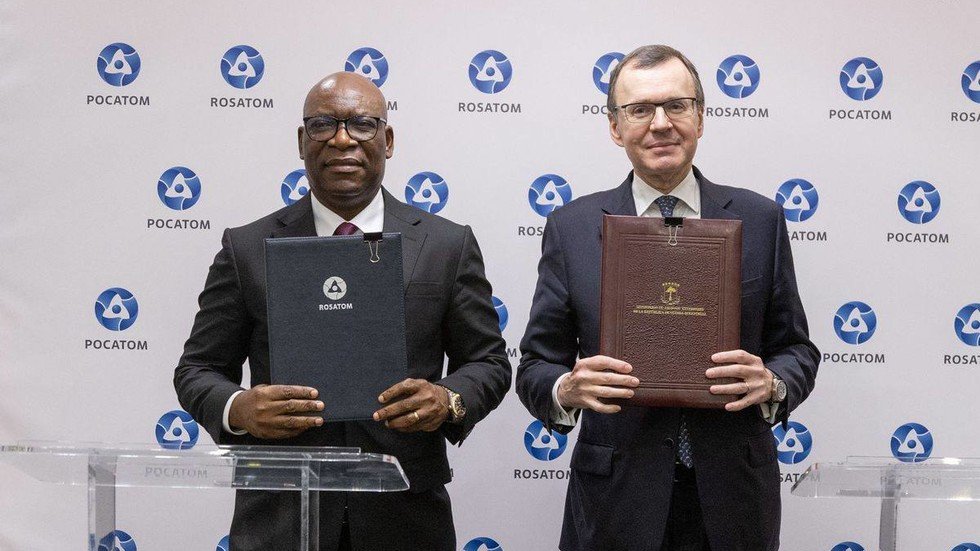
Russia has expanded its nuclear cooperation with an African nation through new project agreements. The arrangement includes specialist training and joint development work. Officials from both sides held talks to finalize the scope.
Why this matters
Nuclear technology transfers can influence global non-proliferation norms and long-term energy markets that affect U.S. strategic interests.
Quick take
- Market Impact
- Uranium and nuclear services markets may see incremental supply additions over the longer term.
- Who Benefits
- Russian nuclear firms secure additional export contracts and training revenue.
- What to Watch Next
- Watch IAEA reports on new nuclear cooperation agreements for proliferation and safety assessments.
Perspectives on this story
AI-generated analytical lenses meant to encourage you to think across multiple frames. Not attributed to any individual; not presented as fact.
America First View
How this lands for readers prioritizing American sovereignty, borders, and domestic industry.
Expanded Russian nuclear presence in Africa can reduce U.S. and allied influence over regional energy projects.
Institutional View
How established institutions -- agencies, courts, allied governments -- are likely to frame it.
The IAEA and national regulators review technology transfer agreements under non-proliferation treaties.
National Security View
How this matters for defense posture, intelligence, and adversary deterrence.
Nuclear technology spread affects global non-proliferation efforts and long-term energy security calculations.
AFBytes analysis is AI-assisted and generated from source metadata, article summaries, and topic context. It is intended to help readers think through implications, not replace the original reporting from rt.com. See our AI and Summary Disclosure for details.