Trump NSF Pick Jim O'Neill Silicon Valley Investor
AFBytes Brief
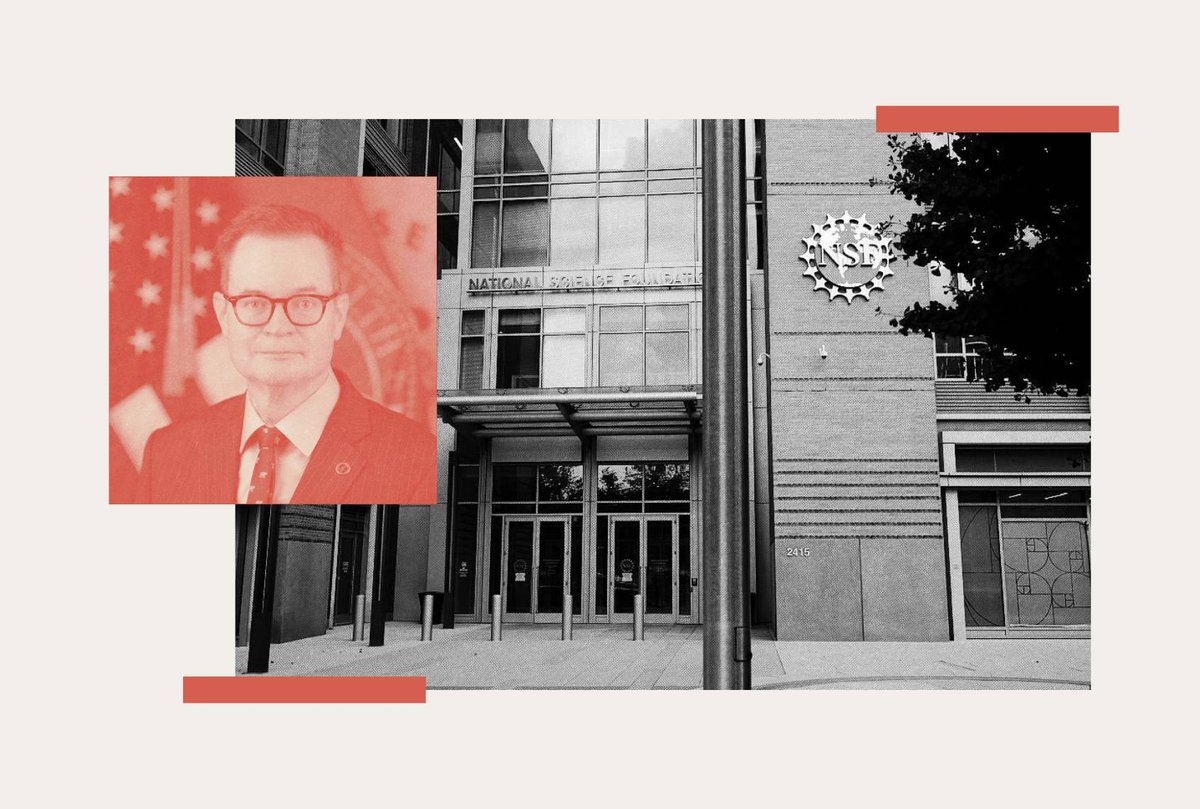
President-elect Trump selected Jim O'Neill, a Silicon Valley investor focused on longevity research and skeptical of vaccines, to lead the National Science Foundation. O'Neill lacks a traditional science background, drawing from his experience in venture capital. This appointment signals a shift toward private-sector perspectives in federal science funding and policy.
Why this matters
This choice influences federal funding for scientific research that underpins advancements in healthcare, technology, and national security. Americans reliant on government-supported innovations in medicine and tech could see shifts in priorities toward investor-driven projects. Civil liberties concerns may arise if vaccine skepticism shapes public health initiatives.
Quick take
- What to Watch Next
- The Senate confirmation hearing for O'Neill will reveal the level of bipartisan support and potential obstacles to his leadership at the NSF.
Perspectives on this story
AI-generated analytical lenses meant to encourage you to think across multiple frames. Not attributed to any individual; not presented as fact.
Household Impact
How this affects family budgets, jobs, and day-to-day life.
Working families may worry about disruptions to reliable science funding for schools and health programs. This pick prioritizes business innovators over traditional scientists, potentially slowing steady progress in areas like disease research. Day-to-day life could see uneven impacts on access to funded medical advancements.
America First View
How this lands for readers prioritizing American sovereignty, borders, and domestic industry.
They would view this as a welcome break from bureaucratic scientists, empowering outsider investors to cut waste in federal spending. The focus on longevity aligns with skepticism toward big pharma and mandates, fitting a worldview distrustful of establishment expertise. This reinforces preferences for private-sector efficiency over government control.
Institutional View
How established institutions -- agencies, courts, allied governments -- are likely to frame it.
They would criticize the lack of scientific credentials, fearing politicization of research funding away from public health priorities. Vaccine skepticism raises alarms about undermining trust in proven medicine. This fits concerns over appointments favoring ideology over expertise in critical institutions.
AFBytes analysis is AI-assisted and generated from source metadata, article summaries, and topic context. It is intended to help readers think through implications, not replace the original reporting from salon.com. See our AI and Summary Disclosure for details.