WMO: temperatures near records through 2030
AFBytes Brief
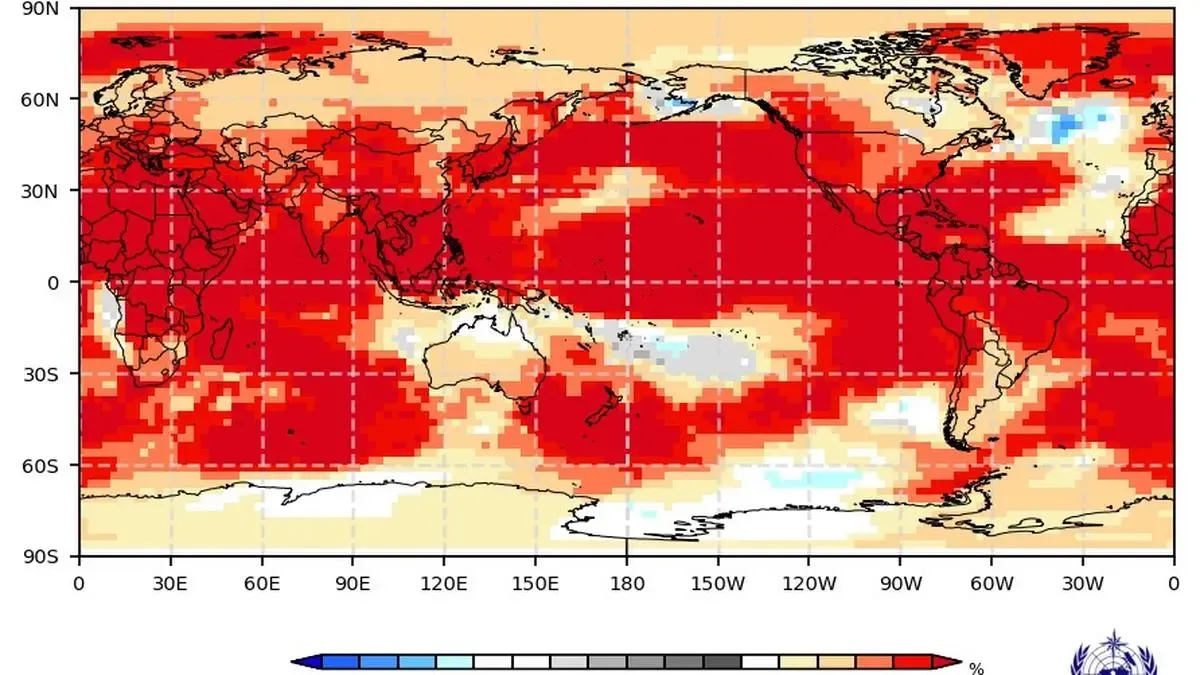
The World Meteorological Organization expects global temperatures to stay near historic highs through 2030, with continued El Niño risks and possible temporary breaches of 1.5°C thresholds.
Why this matters
Persistent high temperatures can raise energy demand for cooling, affect agricultural yields, and influence insurance costs.
Quick take
- Money Angle
- Elevated temperatures can increase cooling-related energy expenditures and commodity price volatility.
- Market Impact
- Energy and agricultural futures may see price pressure from sustained heat and weather anomalies.
- Who Benefits
- Energy producers with flexible generation capacity can capture higher demand during heat periods.
- Who Loses
- Agricultural regions facing repeated heat stress may experience yield reductions.
- What to Watch Next
- Monitor seasonal temperature outlooks and El Niño updates from major meteorological agencies.
Perspectives on this story
AI-generated analytical lenses meant to encourage you to think across multiple frames. Not attributed to any individual; not presented as fact.
Household Impact
How this affects family budgets, jobs, and day-to-day life.
Higher temperatures can raise summer electricity bills and affect food prices.
America First View
How this lands for readers prioritizing American sovereignty, borders, and domestic industry.
Domestic energy production capacity influences resilience to climate-driven demand spikes.
Institutional View
How established institutions -- agencies, courts, allied governments -- are likely to frame it.
International meteorological bodies coordinate data standards and forecast methods.
Civil Liberties View
How this reads through the lens of constitutional rights, free speech, and due process.
No direct civil liberties issues are raised by temperature forecasts.
National Security View
How this matters for defense posture, intelligence, and adversary deterrence.
Climate trends affect military planning for operations in extreme environments.
Adversary View
How foreign rivals are likely to frame this story. Not presented as fact and does not reflect the views of AFBytes.
No clear adversary framing applies to this story.
AFBytes analysis is AI-assisted and generated from source metadata, article summaries, and topic context. It is intended to help readers think through implications, not replace the original reporting from thehindubusinessline.com. See our AI and Summary Disclosure for details.