Arizona group 3D prints tourniquets for Lebanon
AFBytes Brief
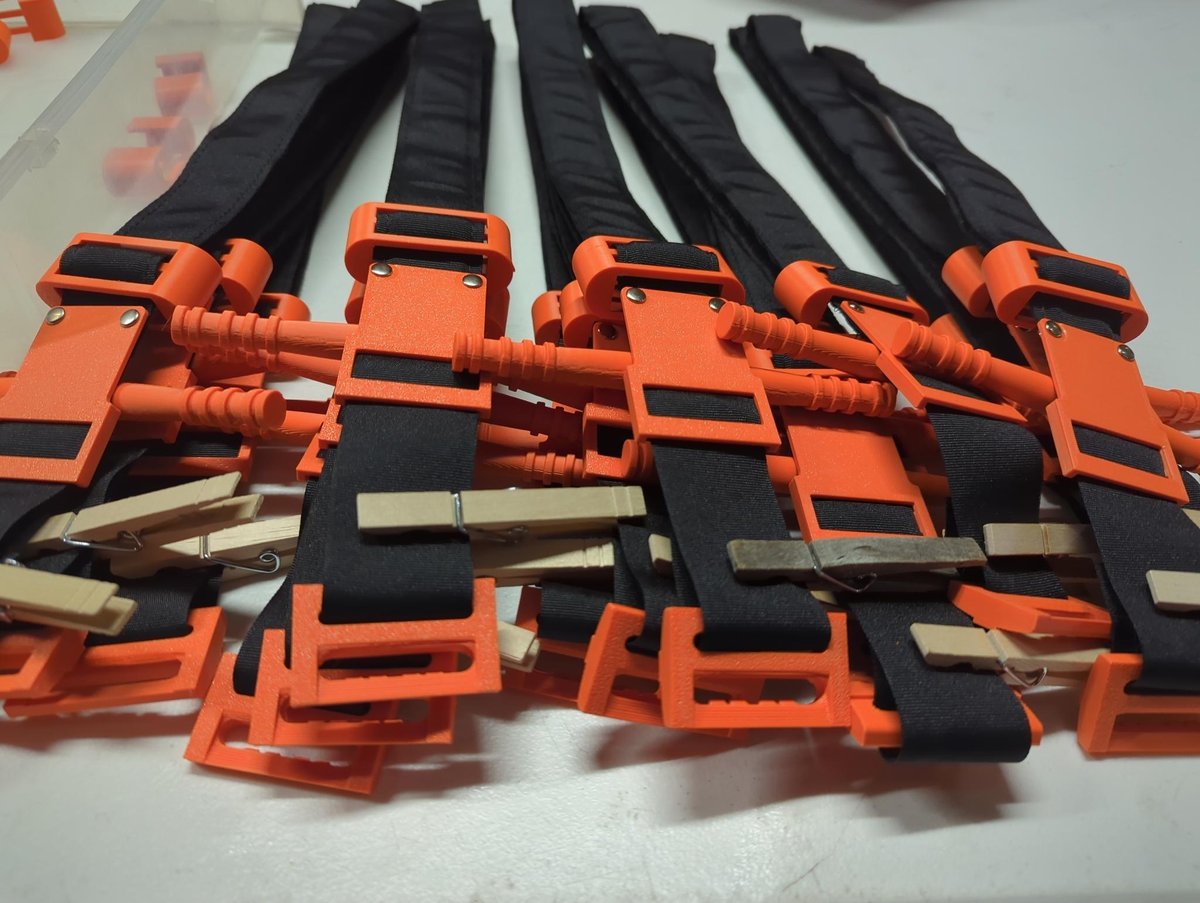
A small Arizona group is manufacturing tourniquets with 3D printers. The items are being sent to Lebanon for medical use.
Why this matters
Private humanitarian shipments can supplement official aid channels and affect medical supply availability in conflict zones.
Perspectives on this story
AI-generated analytical lenses meant to encourage you to think across multiple frames. Not attributed to any individual; not presented as fact.
Household Impact
How this affects family budgets, jobs, and day-to-day life.
Private aid initiatives do not directly alter U.S. household budgets.
America First View
How this lands for readers prioritizing American sovereignty, borders, and domestic industry.
Citizen-led exports of equipment can complement or bypass official foreign assistance programs.
Institutional View
How established institutions -- agencies, courts, allied governments -- are likely to frame it.
Export of medical devices remains subject to standard commerce and customs regulations.
Civil Liberties View
How this reads through the lens of constitutional rights, free speech, and due process.
Private manufacturing and shipment of non-restricted items falls under protected commercial activity.
National Security View
How this matters for defense posture, intelligence, and adversary deterrence.
Medical supply flows to Lebanon can influence stability in a region with U.S. strategic interests.
Adversary View
How foreign rivals are likely to frame this story. Not presented as fact and does not reflect the views of AFBytes.
Iranian state media may portray the shipments as insufficient Western support for Lebanese needs.
AFBytes analysis is AI-assisted and generated from source metadata, article summaries, and topic context. It is intended to help readers think through implications, not replace the original reporting from truthout.org. See our AI and Summary Disclosure for details.