Iran War Cheap Missiles vs US Defenses
AFBytes Brief
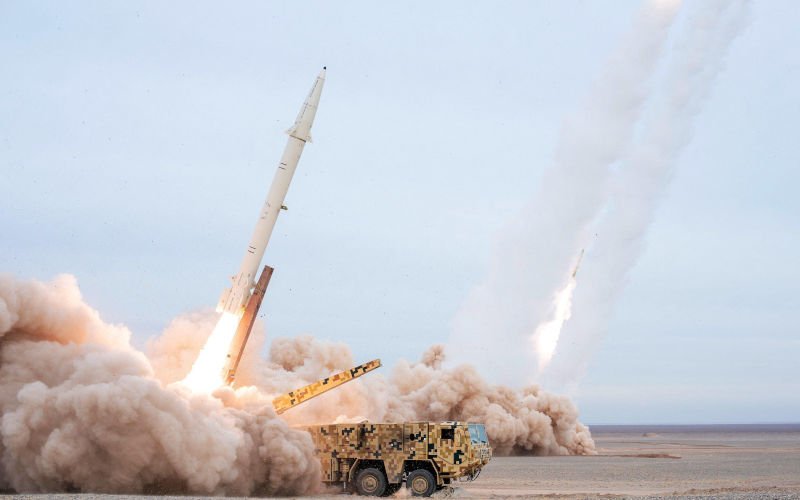
Iran conflict demonstrates cheap missiles overpowering costly U.S. defenses. It exposes warfare imbalances. Limits of American military tech are tested.
Why this matters
Defense vulnerabilities raise U.S. troop risks in foreign policy engagements. They increase taxes for upgraded systems. Americans face higher energy bills from regional instability.
Quick take
- Money Angle
- Missile defense budgets swell as cheap threats demand costly counters.
- Market Impact
- Defense stocks mixed with exposure critiques.
- Who Benefits
- Missile producers profit from low-cost proliferation.
- Who Loses
- US defense firms with expensive systems.
- What to Watch Next
- Monitor Pentagon reports on Iran missile efficacy.
Perspectives on this story
AI-generated analytical lenses meant to encourage you to think across multiple frames. Not attributed to any individual; not presented as fact.
Household Impact
How this affects family budgets, jobs, and day-to-day life.
Taxpayers bear costs of pricier defenses impacting budgets. It heightens war fears. The stake is fiscal and safety.
America First View
How this lands for readers prioritizing American sovereignty, borders, and domestic industry.
MAGA readers criticize overreliance on expensive tech, urging efficiency. They demand strong deterrence. Fits military reform calls.
Institutional View
How established institutions -- agencies, courts, allied governments -- are likely to frame it.
Democratic readers push for diplomatic de-escalation alongside tech upgrades. They stress multilateral responses. The view balances defense and peace.
AFBytes analysis is AI-assisted and generated from source metadata, article summaries, and topic context. It is intended to help readers think through implications, not replace the original reporting from johnmenadue.com. See our AI and Summary Disclosure for details.