Light pollution reaches Atacama Desert observatories
AFBytes Brief
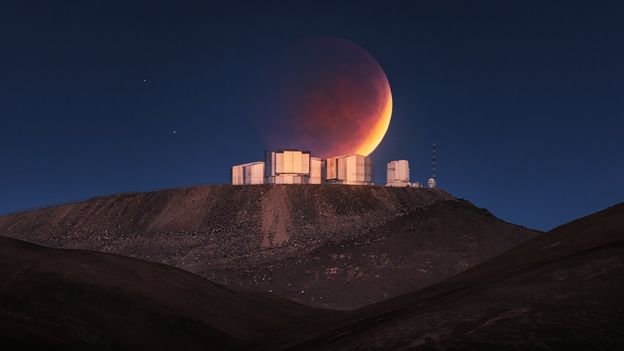
The Atacama Desert in Chile hosts some of the darkest skies used for astronomy. Increasing artificial light from human activity is now reaching these remote sites. Observatories report measurable impacts on night-sky observations.
Why this matters
Light pollution can degrade the performance of major astronomical facilities that support global scientific research.
Perspectives on this story
AI-generated analytical lenses meant to encourage you to think across multiple frames. Not attributed to any individual; not presented as fact.
Household Impact
How this affects family budgets, jobs, and day-to-day life.
No direct household budget effects are evident from changes in remote observatory conditions.
America First View
How this lands for readers prioritizing American sovereignty, borders, and domestic industry.
U.S. scientific institutions participate in international observatories and benefit from optimal observing conditions.
Institutional View
How established institutions -- agencies, courts, allied governments -- are likely to frame it.
International astronomy organizations coordinate site protection efforts through established scientific agreements.
Civil Liberties View
How this reads through the lens of constitutional rights, free speech, and due process.
No civil liberties issues are raised by light pollution concerns.
National Security View
How this matters for defense posture, intelligence, and adversary deterrence.
No national security implications are evident from astronomical site conditions.
Adversary View
How foreign rivals are likely to frame this story. Not presented as fact and does not reflect the views of AFBytes.
No clear adversary framing applies to this story.
AFBytes analysis is AI-assisted and generated from source metadata, article summaries, and topic context. It is intended to help readers think through implications, not replace the original reporting from bbc.com. See our AI and Summary Disclosure for details.