Airstrikes on Iran oil sites released volcano-scale sulfur dioxide
AFBytes Brief
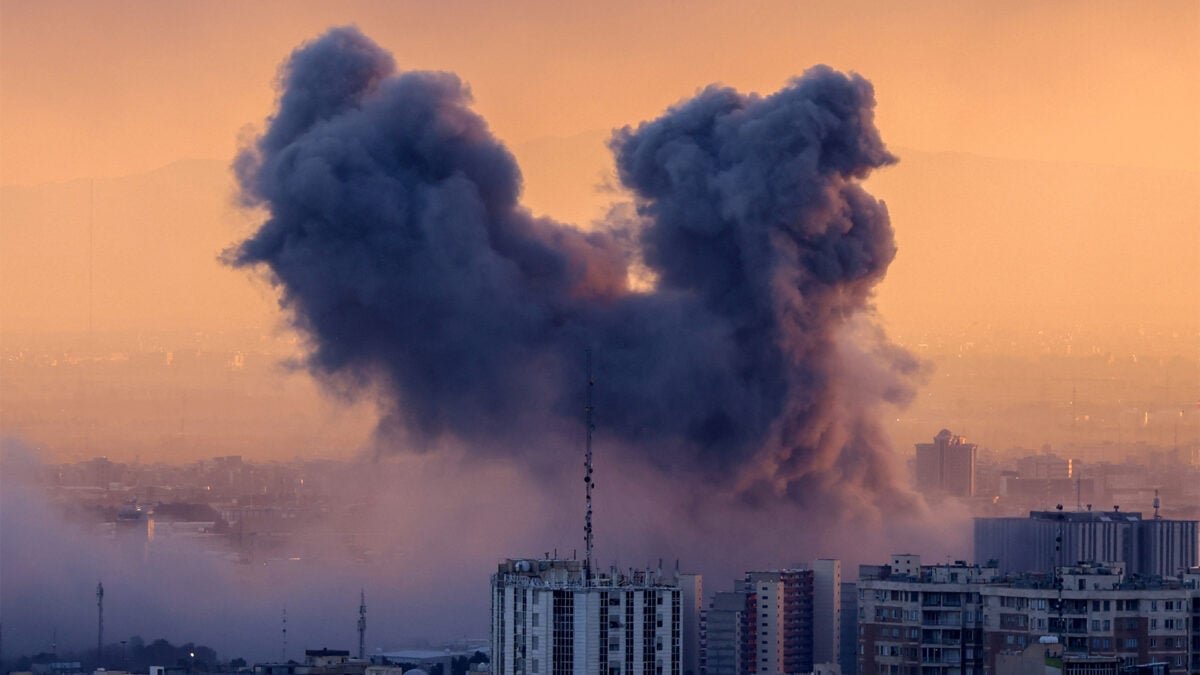
Satellite observations recorded more than 29,800 tons of sulfur dioxide released during strikes on Iranian oil infrastructure. The quantity matches emissions from a significant volcanic event. The data highlights atmospheric consequences beyond immediate military effects.
Why this matters
Elevated sulfur dioxide levels from oil facility damage can contribute to regional air quality degradation affecting public health costs. Energy supply disruptions may influence global fuel prices and household energy expenses. Environmental monitoring data informs future assessments of conflict-related pollution burdens.
Quick take
- Money Angle
- Oil supply interruptions from damaged facilities can shift global energy prices and affect trading margins in petroleum markets.
- Market Impact
- Crude oil futures may see upward price pressure while sulfur-related environmental compliance costs rise for regional energy operators.
- Who Benefits
- Alternative energy suppliers and non-Middle East oil producers gain market share from reduced Iranian output.
- Who Loses
- Iranian energy exporters face revenue losses and higher remediation expenses from the facility damage.
- What to Watch Next
- Watch upcoming OPEC production reports and EPA air quality updates for measurable effects on supply and emissions data.
Perspectives on this story
AI-generated analytical lenses meant to encourage you to think across multiple frames. Not attributed to any individual; not presented as fact.
Household Impact
How this affects family budgets, jobs, and day-to-day life.
Higher energy prices from supply shocks can increase household fuel and electricity costs in import-dependent regions.
America First View
How this lands for readers prioritizing American sovereignty, borders, and domestic industry.
Reduced reliance on adversarial oil sources supports U.S. energy independence and domestic production priorities.
Institutional View
How established institutions -- agencies, courts, allied governments -- are likely to frame it.
Environmental agencies track transboundary pollution under international monitoring agreements and statutory reporting requirements.
Civil Liberties View
How this reads through the lens of constitutional rights, free speech, and due process.
No direct constitutional rights issues arise from atmospheric emissions data collection.
National Security View
How this matters for defense posture, intelligence, and adversary deterrence.
Energy infrastructure targeting raises concerns over supply chain resilience for critical fuel resources.
Adversary View
How foreign rivals are likely to frame this story. Not presented as fact and does not reflect the views of AFBytes.
Iranian state media is likely to portray the strikes as deliberate environmental aggression aimed at civilian economic assets.
AFBytes analysis is AI-assisted and generated from source metadata, article summaries, and topic context. It is intended to help readers think through implications, not replace the original reporting from earther.gizmodo.com. See our AI and Summary Disclosure for details.