Washington may accept reality of Chinese economic power
AFBytes Brief
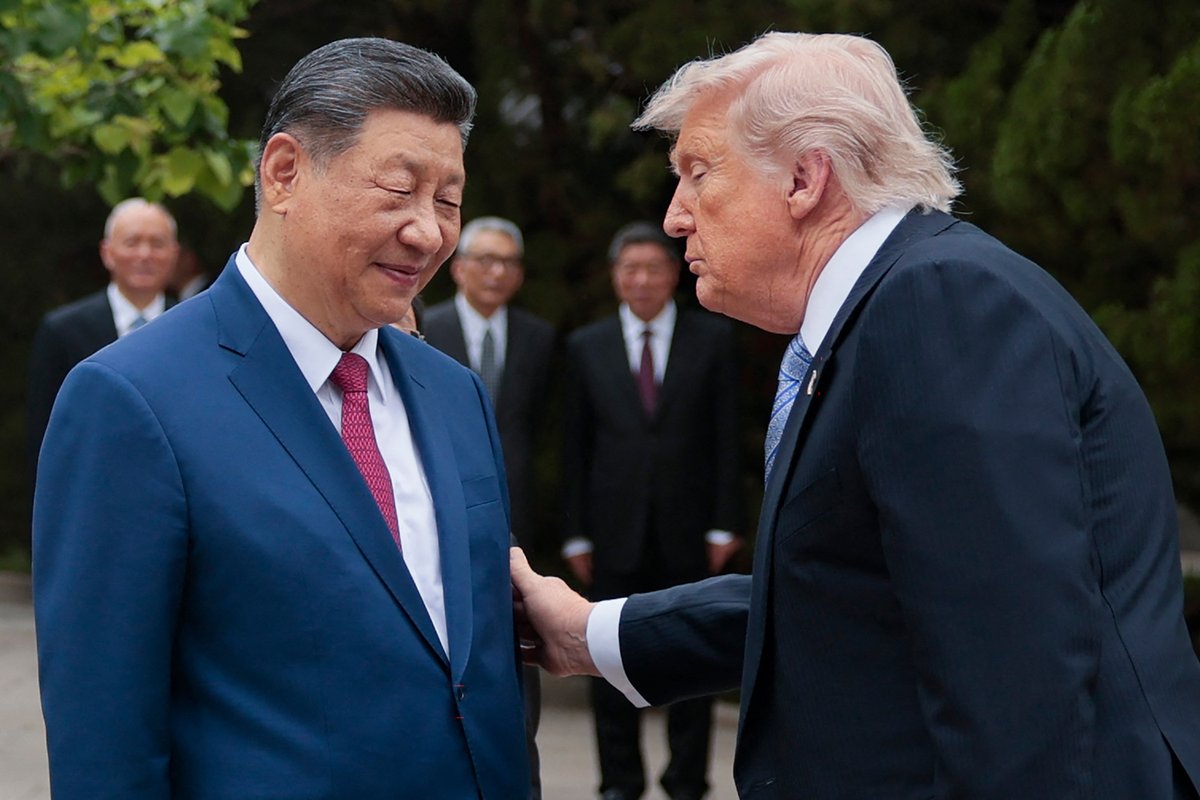
Signs indicate the United States may be ready to bargain with China from a position that recognizes Beijing’s accumulated economic leverage. The shift could open limited avenues for tariff relief or investment rules.
Why this matters
Any new trade framework could alter tariffs, technology export rules, and supply-chain costs for U.S. manufacturers and consumers.
Quick take
- Money Angle
- Revised tariff schedules or investment screening standards would change input costs for importers and margins for domestic producers.
- Market Impact
- Equities in semiconductors, consumer electronics, and agriculture could rally on reduced trade tension expectations.
- Who Benefits
- U.S. exporters facing Chinese retaliatory tariffs and multinationals seeking clearer investment rules would gain.
- Who Loses
- Domestic industries previously protected by high tariffs may face renewed competitive pressure.
- What to Watch Next
- Monitor Treasury and Commerce Department statements for any formal initiation of bilateral working groups.
Perspectives on this story
AI-generated analytical lenses meant to encourage you to think across multiple frames. Not attributed to any individual; not presented as fact.
Household Impact
How this affects family budgets, jobs, and day-to-day life.
Lower tariffs could reduce prices on imported consumer goods while exposing some manufacturing jobs to competition.
America First View
How this lands for readers prioritizing American sovereignty, borders, and domestic industry.
Negotiations may aim to secure better market access and technology protections while preserving core domestic industry safeguards.
Institutional View
How established institutions -- agencies, courts, allied governments -- are likely to frame it.
Agencies would operate within existing statutory authorities governing trade remedies and export controls.
Civil Liberties View
How this reads through the lens of constitutional rights, free speech, and due process.
Trade policy discussions center on commercial regulation and do not directly implicate constitutional rights.
National Security View
How this matters for defense posture, intelligence, and adversary deterrence.
Managed economic engagement can support supply-chain diversification and reduce strategic vulnerabilities.
AFBytes analysis is AI-assisted and generated from source metadata, article summaries, and topic context. It is intended to help readers think through implications, not replace the original reporting from foreignpolicy.com. See our AI and Summary Disclosure for details.
Discussion on
Trending posts from X.
Computer programmers might know all about computers and code and AI architecture, but ideology deals with the human mind, with ideas and passions and power and morality, and on these things computer programmers have no more insight—and perhaps much less—than an ordinary man. https://t.co/dqu4hlGUzo
— John Daniel Davidson (@johnddavidson) May 19, 2026