Sudan Rebels Block Peace in Disputed Region
AFBytes Brief
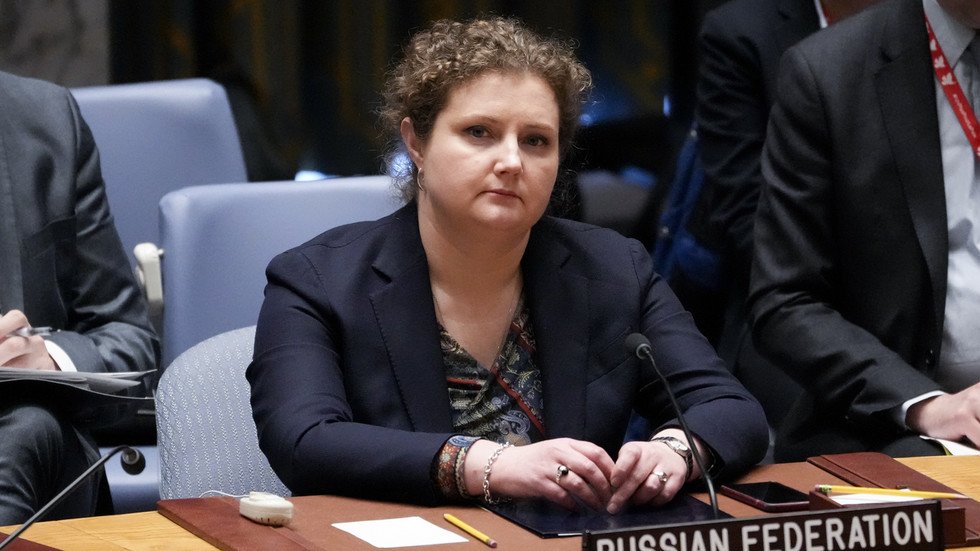
Russia's envoy states that Sudan's Rapid Support Forces are obstructing peace efforts in a disputed border region. These actions delay a political settlement. The situation hinders broader stability initiatives.
Why this matters
Escalating conflicts in Sudan contribute to global instability that affects commodity prices Americans pay at the pump and grocery stores. Disruptions in African trade routes can raise shipping costs for imported goods. U.S. foreign aid allocations to the region tie into taxpayer-funded humanitarian efforts.
Three takes on this
AI-generated framings meant to encourage you to think. Not attributed to any individual; not presented as fact.
Everyday American
Will this make day-to-day life better or worse for my family?
This distant conflict raises fuel and food prices indirectly through global supply chains. Families notice higher grocery bills from disrupted African exports. It underscores how overseas unrest impacts household budgets without direct U.S. involvement.
MAGA Republicans
What this likely confirms or alarms in their worldview.
Foreign entanglements like this highlight wasteful U.S. aid spending abroad while domestic needs go unmet. They view rebel blockages as evidence of failed interventions that drain American resources. Prioritizing America first means avoiding such regional quagmires.
Democrats
What this likely confirms or alarms in their worldview.
Instability in Sudan threatens humanitarian crises that demand international cooperation. They emphasize the need for diplomatic pressure to enable aid delivery. Global peace efforts align with values of multilateral engagement to prevent refugee flows.