China skips defense summit with Hegseth as speaker
AFBytes Brief
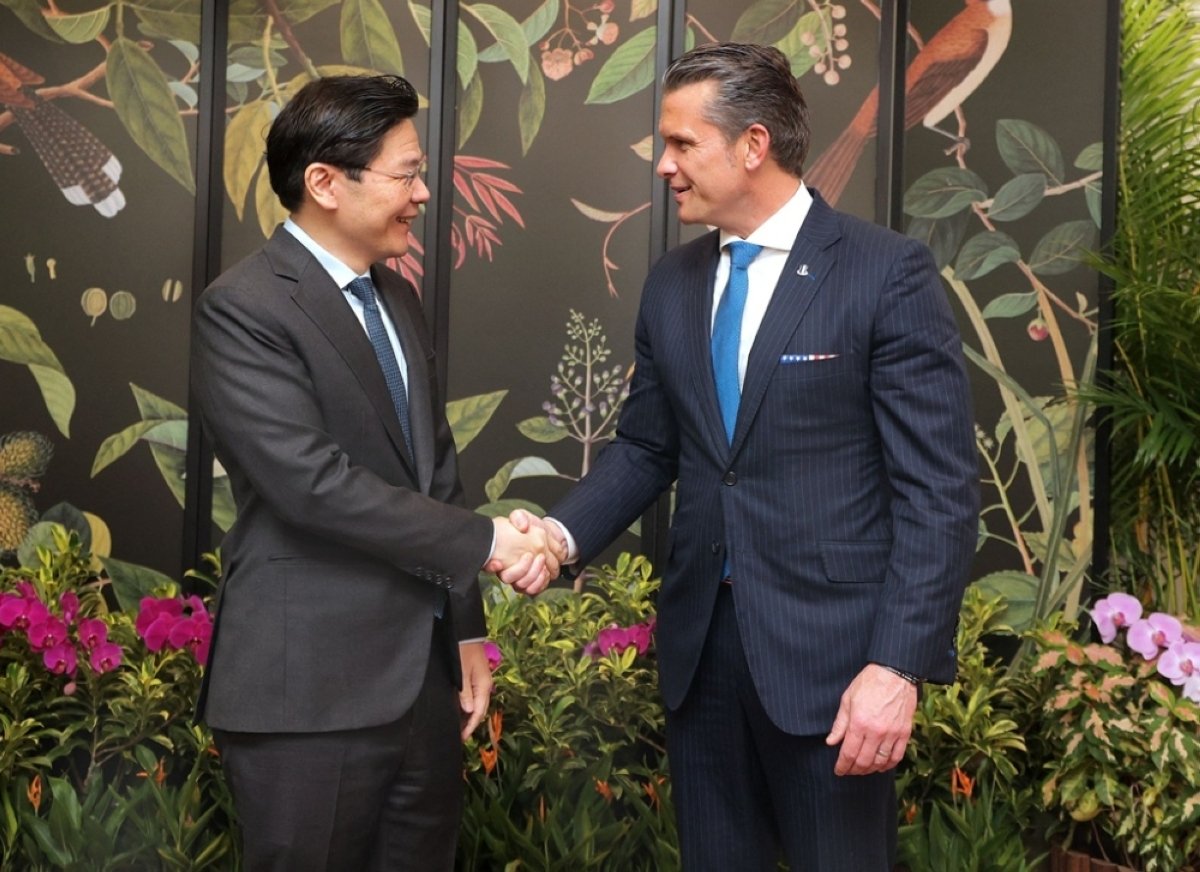
U.S. Defense Secretary Pete Hegseth is headlining Asia's leading defense summit. Chinese leaders have chosen not to attend the event in Singapore.
Why this matters
Shifts in high-level attendance at regional security forums can affect alliance coordination and U.S. force posture planning in the Indo-Pacific. Trade and supply-chain stability remain linked to predictable security dialogue.
Quick take
- Money Angle
- Defense spending allocations and regional stability expectations influence investor assessments of Indo-Pacific supply chains and energy routes.
- Market Impact
- Defense contractors with Asia-Pacific exposure may experience modest sentiment shifts while broader equity and commodity markets show limited immediate reaction.
- Who Benefits
- U.S. defense firms and allied governments gain clearer signaling space when major competitors step back from multilateral forums.
- Who Loses
- Chinese diplomatic influence in the region faces incremental visibility reduction at the event.
- What to Watch Next
- Watch for official readouts from the summit and any follow-on bilateral meetings that could clarify U.S. posture commitments.
Perspectives on this story
AI-generated analytical lenses meant to encourage you to think across multiple frames. Not attributed to any individual; not presented as fact.
Household Impact
How this affects family budgets, jobs, and day-to-day life.
Regional security developments can indirectly affect energy prices and consumer goods supply chains that reach U.S. households.
America First View
How this lands for readers prioritizing American sovereignty, borders, and domestic industry.
Consistent U.S. participation in regional forums supports efforts to maintain influence over trade routes and alliance structures.
Institutional View
How established institutions -- agencies, courts, allied governments -- are likely to frame it.
Defense departments treat summit attendance patterns as standard indicators of diplomatic engagement levels under existing alliance frameworks.
Civil Liberties View
How this reads through the lens of constitutional rights, free speech, and due process.
No direct privacy or due-process questions are raised by attendance decisions at a government conference.
National Security View
How this matters for defense posture, intelligence, and adversary deterrence.
Summit dynamics provide data points on alliance cohesion and deterrence messaging in a key strategic theater.
Adversary View
How foreign rivals are likely to frame this story. Not presented as fact and does not reflect the views of AFBytes.
Chinese state media are likely to portray the absence as a deliberate choice reflecting differing priorities on regional security architecture.
AFBytes analysis is AI-assisted and generated from source metadata, article summaries, and topic context. It is intended to help readers think through implications, not replace the original reporting from manilatimes.net. See our AI and Summary Disclosure for details.