Samsung studies Galaxy Watch for muscle loss treatment
AFBytes Brief
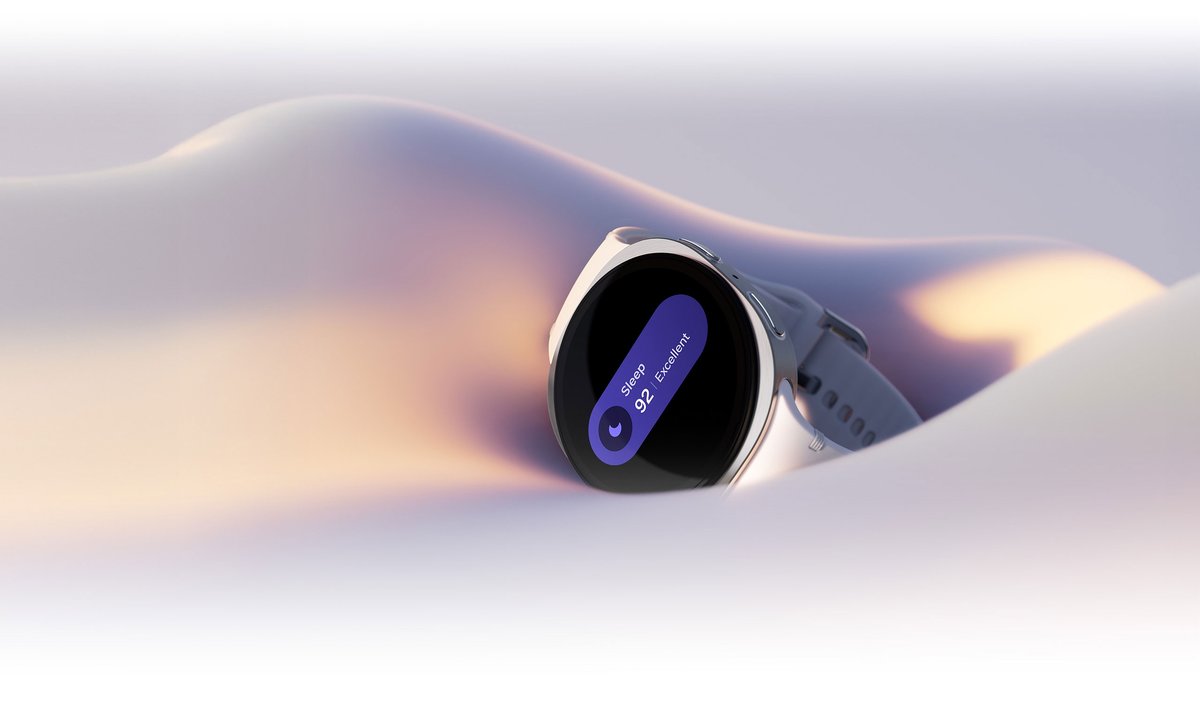
Samsung entered a research collaboration with Massachusetts General Hospital to assess whether Galaxy Watch sensors can help manage muscle loss in patients receiving GLP-1 treatments.
Why this matters
Wearable monitoring of medication side effects could influence healthcare costs and treatment adherence for patients using weight-loss drugs.
Perspectives on this story
AI-generated analytical lenses meant to encourage you to think across multiple frames. Not attributed to any individual; not presented as fact.
Household Impact
How this affects family budgets, jobs, and day-to-day life.
Improved remote monitoring tools may eventually reduce in-person medical visit costs for chronic treatment patients.
America First View
How this lands for readers prioritizing American sovereignty, borders, and domestic industry.
No direct implications for U.S. industrial policy or trade leverage.
Institutional View
How established institutions -- agencies, courts, allied governments -- are likely to frame it.
Medical device research partnerships operate under FDA oversight and institutional review board protocols.
Civil Liberties View
How this reads through the lens of constitutional rights, free speech, and due process.
Health data collection by wearables raises ongoing questions around personal health information privacy.
National Security View
How this matters for defense posture, intelligence, and adversary deterrence.
No national security dimensions are present in this clinical research.
Adversary View
How foreign rivals are likely to frame this story. Not presented as fact and does not reflect the views of AFBytes.
No clear adversary framing applies to this story.
AFBytes analysis is AI-assisted and generated from source metadata, article summaries, and topic context. It is intended to help readers think through implications, not replace the original reporting from videocardz.com. See our AI and Summary Disclosure for details.