Thousands Protest Austerity in Brussels
AFBytes Brief
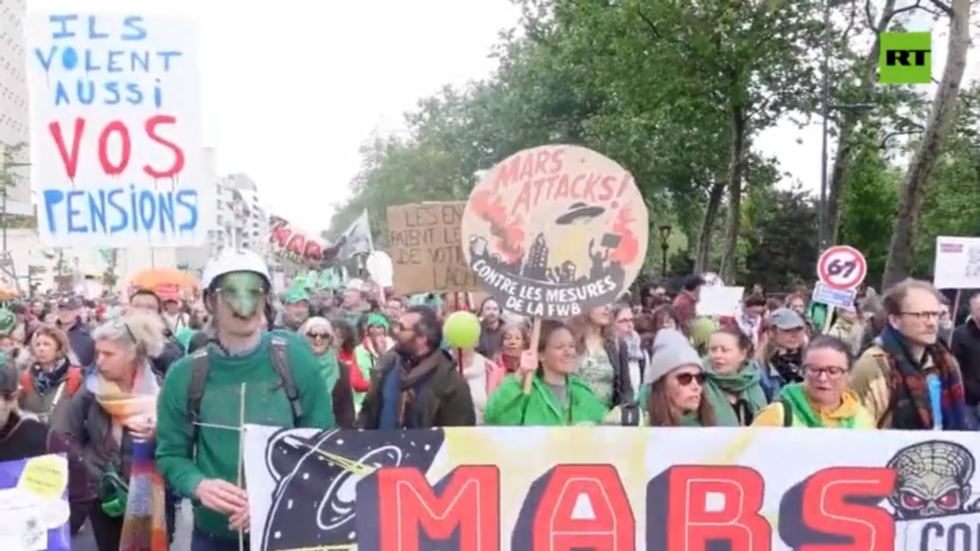
Over 40,000 protesters marched in Brussels against Belgian austerity reforms, high energy costs, and increased defense spending. The demonstrations reflect broader EU economic strains. Participants demand policy reversals amid cost-of-living pressures.
Why this matters
U.S. investors in European markets monitor this for signals on transatlantic trade stability. Retirees with EU exposure face portfolio risks from fiscal unrest. Indirectly affects American energy bills if EU policies influence global commodity flows.
Quick take
- Money Angle
- Protests signal fiscal tightening across EU, pressuring government bonds and consumer spending in interconnected markets.
- Market Impact
- European sovereign debt and defense stocks may fluctuate, with minor ripples to U.S. multinationals operating there.
- Who Benefits
- Defense contractors in EU gain from calls to curb spending hikes, potentially easing budget reallocations.
- Who Loses
- Belgian households endure sustained high energy costs without reform concessions.
- What to Watch Next
- Observe EU Commission's response to Belgian protests for fiscal policy adjustments.
Three takes on this
AI-generated framings meant to encourage you to think. Not attributed to any individual; not presented as fact.
Everyday American
Will this make day-to-day life better or worse for my family?
Working families note parallels to U.S. inflation fights, concerned indirect trade hits raise import prices. This minimally affects daily costs but highlights global economic fragility. They view it as a caution on austerity's social toll.
MAGA Republicans
What this likely confirms or alarms in their worldview.
They see EU woes as fallout from overregulation and weak leadership, reinforcing preference for national sovereignty. This validates skepticism of supranational spending. They frame protests as populist backlash against elite policies.
Democrats
What this likely confirms or alarms in their worldview.
They empathize with demands for social protections amid austerity, aligning with progressive anti-inequality stances. This supports global solidarity on worker rights. They criticize defense bloat diverting from climate investments.