Erdogan Renews Criticism of Netanyahu Over Gaza
AFBytes Brief
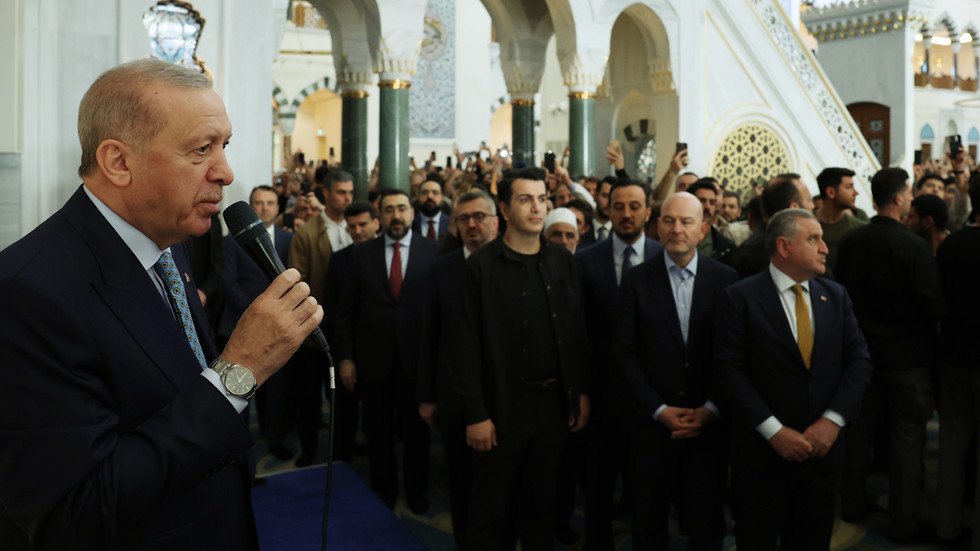
Turkish President Recep Tayyip Erdogan again criticized Benjamin Netanyahu and urged greater Muslim unity regarding Gaza.
Why this matters
Rhetoric between regional leaders can influence energy prices and broader Middle East stability that affects U.S. foreign policy costs.
Quick take
- What to Watch Next
- Monitor upcoming diplomatic statements from Turkey and Israel for shifts in tone.
Perspectives on this story
AI-generated analytical lenses meant to encourage you to think across multiple frames. Not attributed to any individual; not presented as fact.
Household Impact
How this affects family budgets, jobs, and day-to-day life.
Middle East tensions can contribute to volatility in global energy prices that affect household fuel and heating costs.
America First View
How this lands for readers prioritizing American sovereignty, borders, and domestic industry.
U.S. policy toward the region aims to maintain leverage and avoid direct military entanglement.
Institutional View
How established institutions -- agencies, courts, allied governments -- are likely to frame it.
State Department officials track bilateral statements for implications on alliance management and sanctions coordination.
Civil Liberties View
How this reads through the lens of constitutional rights, free speech, and due process.
International political rhetoric rarely alters domestic constitutional protections.
National Security View
How this matters for defense posture, intelligence, and adversary deterrence.
Regional tensions affect U.S. force posture and intelligence priorities in the Middle East.
AFBytes analysis is AI-assisted and generated from source metadata, article summaries, and topic context. It is intended to help readers think through implications, not replace the original reporting from rt.com. See our AI and Summary Disclosure for details.