Menhood FY26 revenue rises 75 percent to 41 crore rupees
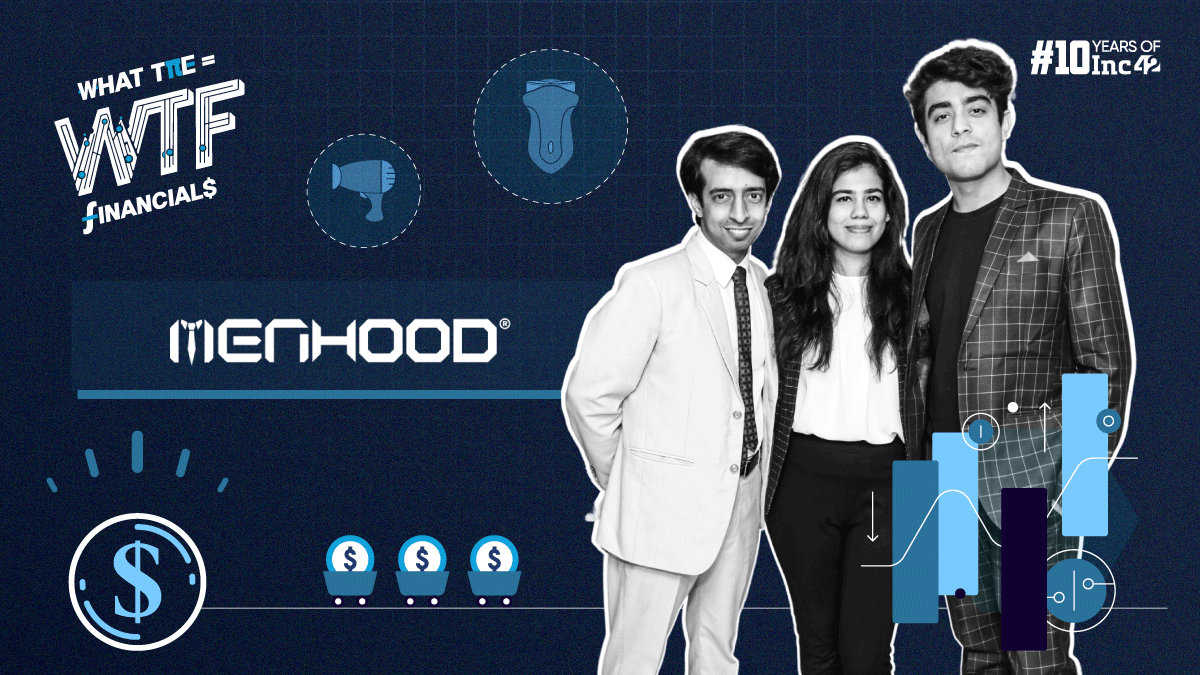
AFBytes Brief
Menhood achieved 75 percent year-over-year revenue growth to 41 crore rupees in FY26. Net profit increased 20.1 percent to 3.1 crore rupees.
Why this matters
Growth in direct-to-consumer personal care brands can signal shifts in household spending on grooming products.
Quick take
- Money Angle
- Rising revenue and profit at Menhood reflect expanding margins in the personal care D2C segment.
- Market Impact
- Consumer staples and e-commerce sectors may see continued valuation interest in profitable Indian D2C names.
- Who Benefits
- Menhood shareholders and suppliers gain from higher sales volume and improved profitability.
- Who Loses
- Traditional offline retailers lose shelf space and market share to scaled D2C competitors.
- What to Watch Next
- Monitor Indian e-commerce quarterly filings for similar D2C margin trends in the coming fiscal year.
Perspectives on this story
AI-generated analytical lenses meant to encourage you to think across multiple frames. Not attributed to any individual; not presented as fact.
Household Impact
How this affects family budgets, jobs, and day-to-day life.
Expanded D2C options may affect household budgets through competitive pricing on grooming items.
America First View
How this lands for readers prioritizing American sovereignty, borders, and domestic industry.
No direct implications for U.S. domestic industry or trade leverage arise from this Indian brand result.
Institutional View
How established institutions -- agencies, courts, allied governments -- are likely to frame it.
Indian corporate regulators would review reported results for compliance with disclosure rules.
Civil Liberties View
How this reads through the lens of constitutional rights, free speech, and due process.
No constitutional rights or privacy principles are implicated by corporate earnings data.
National Security View
How this matters for defense posture, intelligence, and adversary deterrence.
Supply chain developments in consumer goods have limited bearing on critical infrastructure resilience.
Adversary View
How foreign rivals are likely to frame this story. Not presented as fact and does not reflect the views of AFBytes.
No clear adversary framing applies to this story.
AFBytes analysis is AI-assisted and generated from source metadata, article summaries, and topic context. It is intended to help readers think through implications, not replace the original reporting from inc42.com. See our AI and Summary Disclosure for details.