NATO Nations Reject Mandatory Ukraine Military Aid Spending
AFBytes Brief
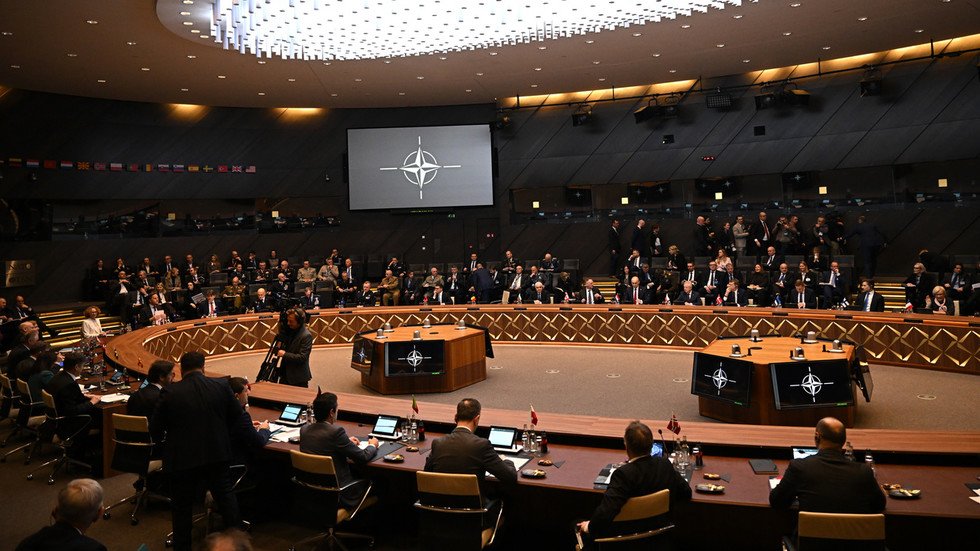
Five NATO members rejected a plan that would have required alliance countries to allocate 0.25 percent of GDP to military support for Ukraine. The UK, France, Spain, Italy, and Canada opposed making the contribution mandatory. The decision leaves future Ukraine assistance dependent on individual national choices rather than a uniform NATO rule.
Why this matters
The blocked proposal affects foreign policy decisions that shape U.S. commitments to European security and trade leverage with allies. Continued voluntary aid keeps pressure on American defense budgets and supply chains for military equipment.
Quick take
- Money Angle
- Mandatory aid rules would have redirected national budgets toward sustained defense spending and away from domestic priorities, increasing fiscal exposure for member states.
- Market Impact
- Defense contractors and arms suppliers could see steadier European orders if voluntary contributions continue at current levels.
- Who Benefits
- National governments in the blocking countries retain flexibility to adjust defense outlays based on domestic budgets and political priorities.
- Who Loses
- Ukrainian forces face continued uncertainty over predictable long-term funding streams from NATO members.
- What to Watch Next
- Watch for the next NATO summit communique or national defense budget releases to gauge whether voluntary aid levels hold or decline.
Perspectives on this story
AI-generated analytical lenses meant to encourage you to think across multiple frames. Not attributed to any individual; not presented as fact.
Household Impact
How this affects family budgets, jobs, and day-to-day life.
Higher defense spending commitments could eventually influence taxes or inflation that affect household budgets across NATO nations.
America First View
How this lands for readers prioritizing American sovereignty, borders, and domestic industry.
The rejection supports greater U.S. leverage to negotiate bilateral aid terms rather than multilateral mandates that dilute American priorities.
Institutional View
How established institutions -- agencies, courts, allied governments -- are likely to frame it.
NATO procedures favor consensus-based decisions, allowing individual members to decline new spending targets without alliance-wide enforcement mechanisms.
Civil Liberties View
How this reads through the lens of constitutional rights, free speech, and due process.
No direct constitutional rights are implicated, though sustained military aid debates touch on congressional oversight of foreign expenditures.
National Security View
How this matters for defense posture, intelligence, and adversary deterrence.
Continued voluntary contributions maintain alliance cohesion while preserving flexibility for members to prioritize their own defense industrial bases.
AFBytes analysis is AI-assisted and generated from source metadata, article summaries, and topic context. It is intended to help readers think through implications, not replace the original reporting from rt.com. See our AI and Summary Disclosure for details.
Discussion on
Trending posts from X.
Germany’s proposal to grant Ukraine the status of an “associated” EU member is unjust, as it would deprive Kyiv of its voting rights within the bloc—Zelenskyy.
— Jürgen Nauditt 🇩🇪🇺🇦 (@jurgen_nauditt) May 23, 2026
“We are defending Europe—fully, not merely partially, and not with half-measures. Ukraine deserves fair treatment and… pic.twitter.com/94G8C5VXQX
🇺🇦🇩🇪🇪🇺 Zelensky responds to Merz on Ukraine's "cut" EU membership - Reuters
— MAKS 26 🇺🇦👀 (@Maks_NAFO_FELLA) May 23, 2026
In a letter to EU leaders, Zelensky said that Germany's proposal to grant Ukraine the status of an "associate" EU member is "unfair" because it would deprive Kyiv of its voting rights within the European… pic.twitter.com/BGMr7yVZUn
Canada Plans On Buying $125 BILLION Of Submarines While The Essence Of War Changes Before Our Eyes
— Ron Butler (@ronmortgageguy) May 24, 2026
Let's hire 500 top Ukrainian Engineers when their War ends & spend the $125B on Military Drone Tech
What does an old, fat Mortgage Broker know about War?
We can all SEE can't we? https://t.co/IX7bzyFzaM