US Historic Low Press Freedom Ranking 2026
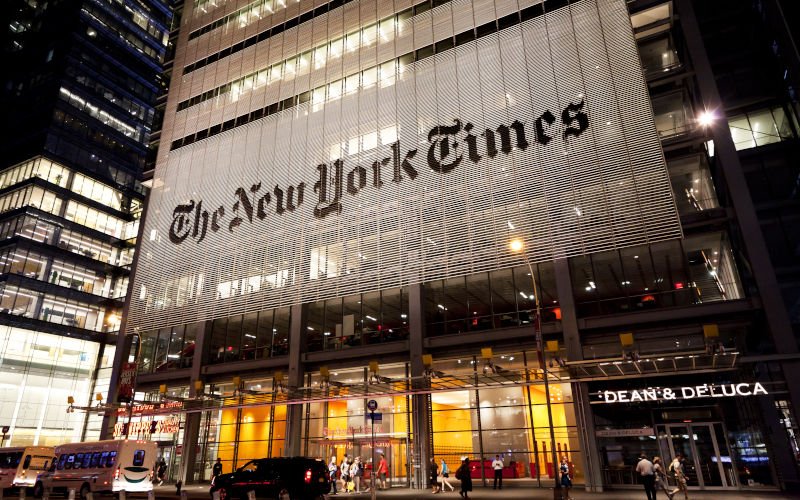
AFBytes Brief
U.S. ranks at historic low in global press freedom index. Political pressures and media consolidation drive the decline. The tracker highlights threats to journalism.
Why this matters
Press freedom erosion affects civil liberties and voter information on policies. Americans depend on diverse media for accountability on taxes and security. Consolidation raises costs for local news access.
Quick take
- Who Benefits
- Consolidated media giants gain from reduced competition.
- Who Loses
- Independent journalists face heightened political risks.
- What to Watch Next
- Follow next index update for trend reversals.
Perspectives on this story
AI-generated analytical lenses meant to encourage you to think across multiple frames. Not attributed to any individual; not presented as fact.
Household Impact
How this affects family budgets, jobs, and day-to-day life.
Citizens value free press for exposing local issues like school safety. Decline worries info reliability. This impacts daily decision-making.
America First View
How this lands for readers prioritizing American sovereignty, borders, and domestic industry.
They blame biased media for rankings, seeing bias as true suppression. Fits narrative of fake news war. Political pressure claims resonate.
Institutional View
How established institutions -- agencies, courts, allied governments -- are likely to frame it.
Democrats decry threats to democracy from consolidation. They push antitrust fixes. This underscores institutional protection needs.
AFBytes analysis is AI-assisted and generated from source metadata, article summaries, and topic context. It is intended to help readers think through implications, not replace the original reporting from johnmenadue.com. See our AI and Summary Disclosure for details.