zephyr podcast covers fastboot esp32 and t-deck hardware
AFBytes Brief
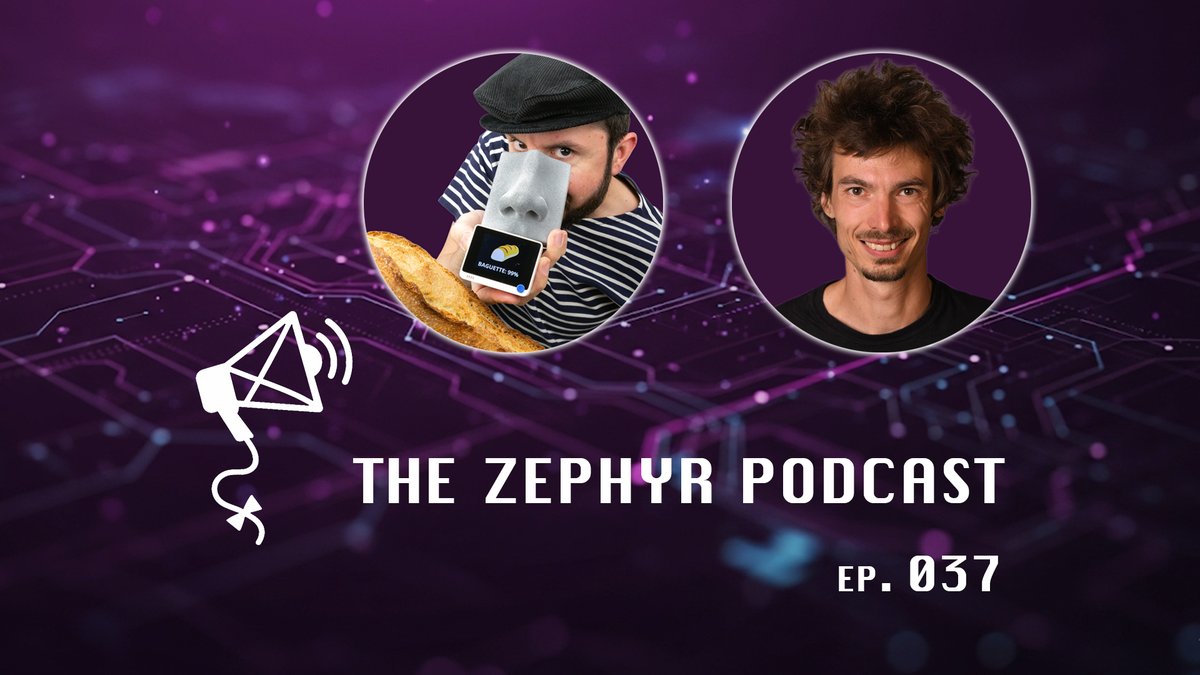
The Zephyr podcast episode reviews recent updates including Fastboot support and new hardware platforms. It highlights ongoing work on sensors and browser shells for embedded systems.
Why this matters
Developers working on connected devices track open-source RTOS progress that influences product costs and time-to-market.
Quick take
- Money Angle
- Open-source RTOS adoption can reduce licensing costs for hardware manufacturers building connected devices.
- Market Impact
- Semiconductor suppliers for ESP32 and similar chips may see steady demand from embedded developers.
- Who Benefits
- Hardware vendors shipping ESP32 and LilyGO devices gain visibility among embedded developers.
- Who Loses
- Proprietary RTOS vendors face continued competition from free open-source alternatives.
- What to Watch Next
- Watch for the next Zephyr release notes that typically detail new board support and driver updates.
Perspectives on this story
AI-generated analytical lenses meant to encourage you to think across multiple frames. Not attributed to any individual; not presented as fact.
Household Impact
How this affects family budgets, jobs, and day-to-day life.
Wider use of efficient embedded software can lower the cost of smart home devices over time.
America First View
How this lands for readers prioritizing American sovereignty, borders, and domestic industry.
Domestic development of open embedded platforms supports U.S. hardware design and manufacturing self-reliance.
Institutional View
How established institutions -- agencies, courts, allied governments -- are likely to frame it.
Standards bodies and open-source foundations continue to govern contributions through established review processes.
Civil Liberties View
How this reads through the lens of constitutional rights, free speech, and due process.
Open embedded code can improve auditability of devices that handle personal data.
National Security View
How this matters for defense posture, intelligence, and adversary deterrence.
Secure real-time operating systems contribute to resilience in critical infrastructure devices.
Adversary View
How foreign rivals are likely to frame this story. Not presented as fact and does not reflect the views of AFBytes.
No clear adversary framing applies to this story.
AFBytes analysis is AI-assisted and generated from source metadata, article summaries, and topic context. It is intended to help readers think through implications, not replace the original reporting from zephyrproject.org. See our AI and Summary Disclosure for details.