John Adams Boston Massacre defense ethics
AFBytes Brief
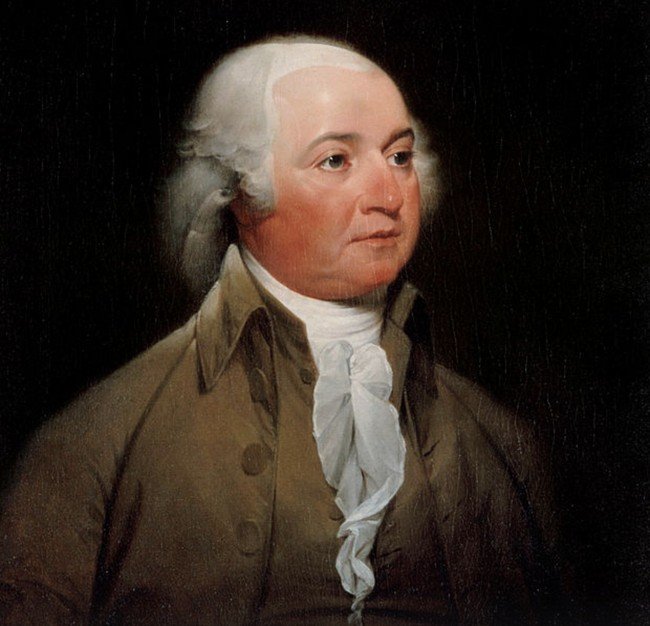
The article discusses the ethical dimensions of John Adams decision to defend the soldiers involved in the Boston Massacre.
Why this matters
Historical legal decisions inform ongoing debates about due process and representation in the American justice system.
Quick take
- What to Watch Next
- Look for new historical analyses or academic publications on early American legal cases.
Perspectives on this story
AI-generated analytical lenses meant to encourage you to think across multiple frames. Not attributed to any individual; not presented as fact.
Household Impact
How this affects family budgets, jobs, and day-to-day life.
Foundational legal principles continue to shape expectations of fairness in courts today.
America First View
How this lands for readers prioritizing American sovereignty, borders, and domestic industry.
Early American legal choices established precedents for national self governance and rule of law.
Institutional View
How established institutions -- agencies, courts, allied governments -- are likely to frame it.
Historical cases illustrate the application of legal ethics and professional responsibility standards.
Civil Liberties View
How this reads through the lens of constitutional rights, free speech, and due process.
The right to counsel and impartial adjudication trace roots to early defense decisions.
National Security View
How this matters for defense posture, intelligence, and adversary deterrence.
No direct national security implications arise from this historical legal discussion.
Adversary View
How foreign rivals are likely to frame this story. Not presented as fact and does not reflect the views of AFBytes.
No clear adversary framing applies to this story.
AFBytes analysis is AI-assisted and generated from source metadata, article summaries, and topic context. It is intended to help readers think through implications, not replace the original reporting from pjmedia.com. See our AI and Summary Disclosure for details.