Iran reroutes oil shipments amid Hormuz concerns
AFBytes Brief
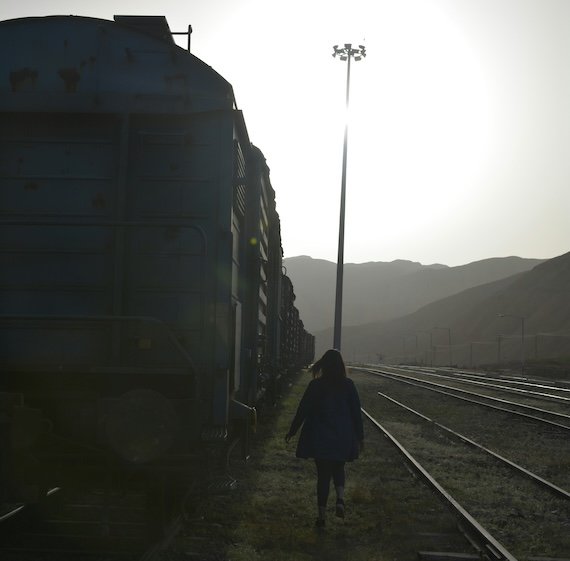
Iranian crude shipments to China via rail have risen sharply in recent weeks. Additional liquefied petroleum gas cargoes moved to Pakistan by train.
Why this matters
Alternative Iranian export routes can stabilize or disrupt global oil supply, directly affecting U.S. fuel costs and strategic petroleum reserve planning.
Quick take
- Money Angle
- Rerouted volumes reduce the immediate price impact of any Hormuz disruption and support Iranian revenue streams.
- Market Impact
- Brent crude may trade lower on evidence of resilient Iranian export capacity while rail and pipeline equities could see interest.
- Who Benefits
- Chinese refiners secure discounted crude through diversified delivery methods.
- Who Loses
- Maritime tanker operators face reduced demand for Hormuz transits.
- What to Watch Next
- Weekly Iranian export estimates and rail loading reports will reveal whether the shift continues.
Perspectives on this story
AI-generated analytical lenses meant to encourage you to think across multiple frames. Not attributed to any individual; not presented as fact.
Household Impact
How this affects family budgets, jobs, and day-to-day life.
Stable Iranian exports can moderate gasoline and heating oil prices paid by U.S. households.
America First View
How this lands for readers prioritizing American sovereignty, borders, and domestic industry.
Diversified Iranian routes weaken the leverage of a potential Hormuz closure on global energy markets.
Institutional View
How established institutions -- agencies, courts, allied governments -- are likely to frame it.
Energy analysts track shipment data to assess sanctions effectiveness and supply security.
Civil Liberties View
How this reads through the lens of constitutional rights, free speech, and due process.
No direct civil liberties dimension applies to the reported logistics changes.
National Security View
How this matters for defense posture, intelligence, and adversary deterrence.
Rail and overland options reduce Iran's vulnerability to naval pressure in the Strait of Hormuz.
Adversary View
How foreign rivals are likely to frame this story. Not presented as fact and does not reflect the views of AFBytes.
Chinese commentary frames the rail increase as successful adaptation to U.S. sanctions pressure.
AFBytes analysis is AI-assisted and generated from source metadata, article summaries, and topic context. It is intended to help readers think through implications, not replace the original reporting from juancole.com. See our AI and Summary Disclosure for details.