NVIDIA Validates Simulated Robot Training in Real World
AFBytes Brief
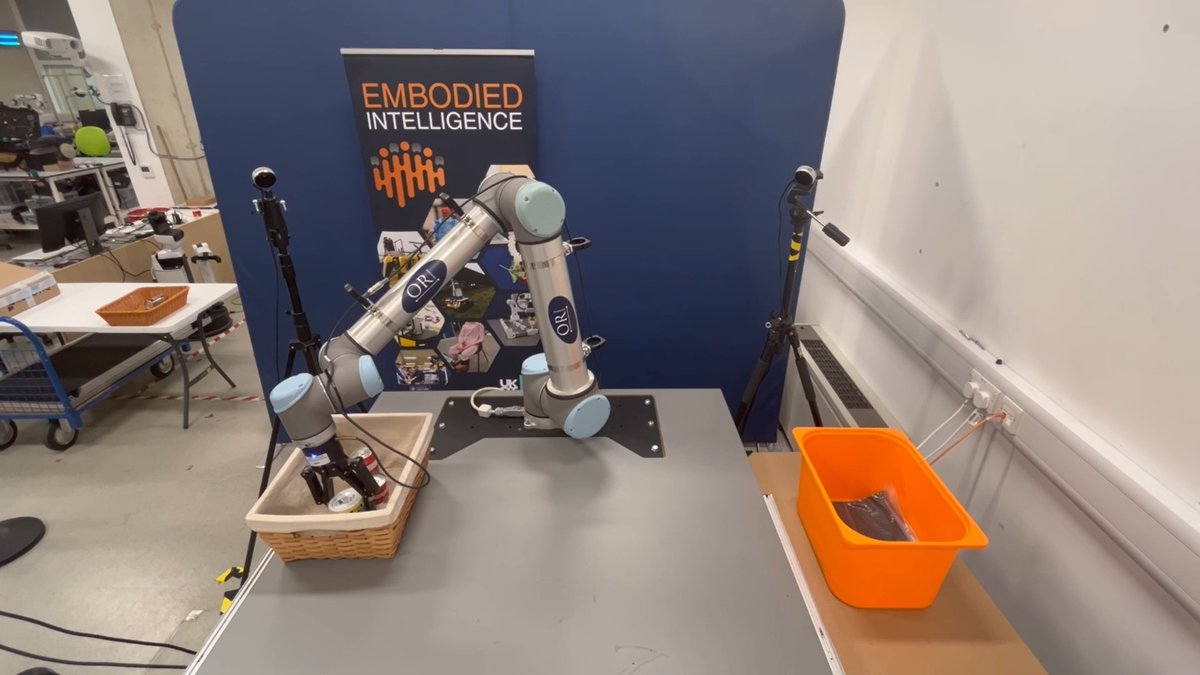
NVIDIA researchers showed that robots trained exclusively in simulation transferred successfully to real-world tasks. The results indicate higher reliability than earlier simulation-only approaches. Further scaling of this technique is under study.
Why this matters
Improvements in robot training methods can accelerate automation in manufacturing, logistics, and other industries that employ physical labor.
Quick take
- Money Angle
- Lower training costs for physical robots can improve margins for automation projects across multiple sectors.
- Market Impact
- Industrial automation and robotics suppliers may benefit from reduced development timelines.
- Who Benefits
- Manufacturers and logistics operators gain from faster deployment of reliable robotic systems.
- Who Loses
- Traditional robot programming service providers may see demand shift toward simulation-based methods.
- What to Watch Next
- Track NVIDIA earnings commentary and robotics conference updates for additional validation metrics or commercial partnerships.
Perspectives on this story
AI-generated analytical lenses meant to encourage you to think across multiple frames. Not attributed to any individual; not presented as fact.
Household Impact
How this affects family budgets, jobs, and day-to-day life.
Wider use of capable robots may gradually influence job availability in warehousing and assembly roles.
America First View
How this lands for readers prioritizing American sovereignty, borders, and domestic industry.
Domestic leadership in simulation and robotics tools supports U.S. manufacturing competitiveness and supply chain resilience.
Institutional View
How established institutions -- agencies, courts, allied governments -- are likely to frame it.
Standards bodies and safety regulators are evaluating how simulation data factors into certification of automated systems.
Civil Liberties View
How this reads through the lens of constitutional rights, free speech, and due process.
Workplace automation raises questions about worker retraining and displacement but does not directly engage constitutional rights.
National Security View
How this matters for defense posture, intelligence, and adversary deterrence.
Robust domestic robotics capabilities contribute to industrial base strength and defense manufacturing flexibility.
Adversary View
How foreign rivals are likely to frame this story. Not presented as fact and does not reflect the views of AFBytes.
China is likely to present its own robotics simulation advances as evidence of closing the technological gap with U.S. firms.
AFBytes analysis is AI-assisted and generated from source metadata, article summaries, and topic context. It is intended to help readers think through implications, not replace the original reporting from interestingengineering.com. See our AI and Summary Disclosure for details.