Arctic Council remains operational after recent challenges
AFBytes Brief
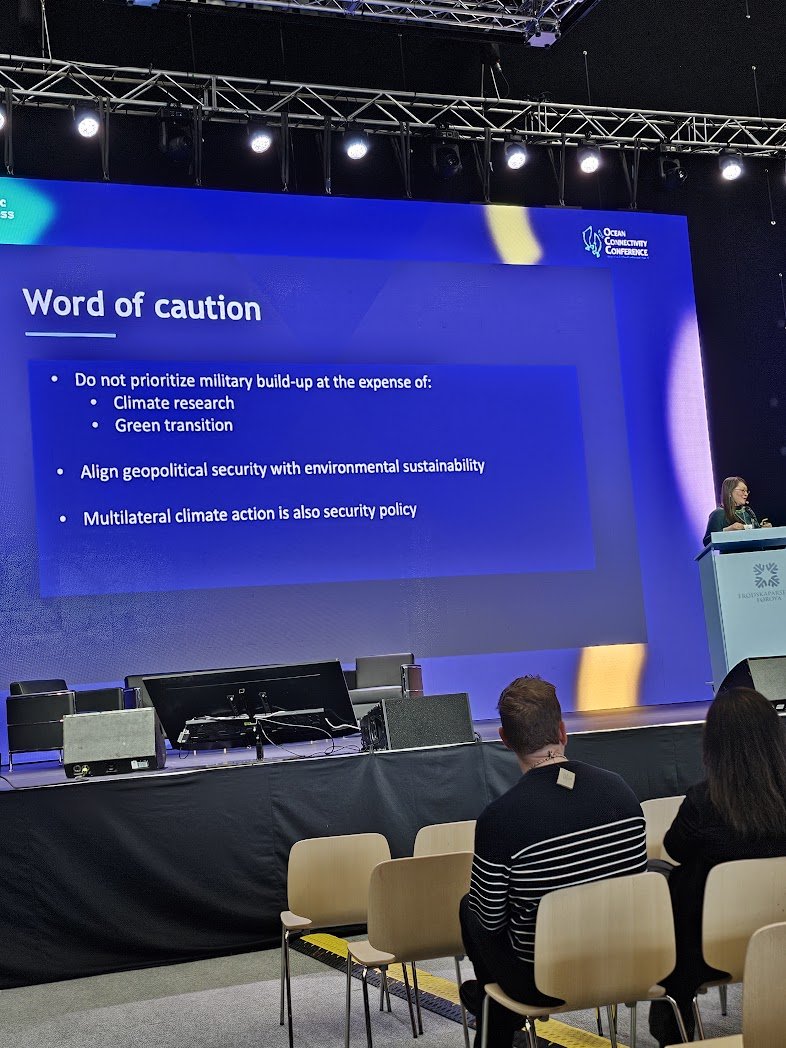
Participants at the UArctic congress concluded that the Arctic Council has survived recent difficulties and remains active. The meeting took place on the Faroe Islands.
Why this matters
Continued Arctic cooperation can influence long-term energy exploration rules and shipping lanes that eventually affect global commodity prices paid by U.S. consumers.
Perspectives on this story
AI-generated analytical lenses meant to encourage you to think across multiple frames. Not attributed to any individual; not presented as fact.
Household Impact
How this affects family budgets, jobs, and day-to-day life.
Stable Arctic governance may support predictable energy markets over the longer term.
America First View
How this lands for readers prioritizing American sovereignty, borders, and domestic industry.
Continued council activity can help maintain U.S. influence over Arctic resource and shipping rules.
Institutional View
How established institutions -- agencies, courts, allied governments -- are likely to frame it.
The State Department and National Oceanic and Atmospheric Administration would view the council’s persistence as preserving established multilateral procedures.
Civil Liberties View
How this reads through the lens of constitutional rights, free speech, and due process.
No civil-liberties questions are raised by the diplomatic update.
National Security View
How this matters for defense posture, intelligence, and adversary deterrence.
Arctic institutional continuity supports U.S. interests in monitoring Russian and Chinese activity in the region.
Adversary View
How foreign rivals are likely to frame this story. Not presented as fact and does not reflect the views of AFBytes.
Russia is likely to portray the council’s survival as evidence that Western sanctions have not isolated Moscow from Arctic affairs.
AFBytes analysis is AI-assisted and generated from source metadata, article summaries, and topic context. It is intended to help readers think through implications, not replace the original reporting from realclimate.org. See our AI and Summary Disclosure for details.