California Spends $49 Million on Solar Panels for Illegal Immigrants
AFBytes Brief
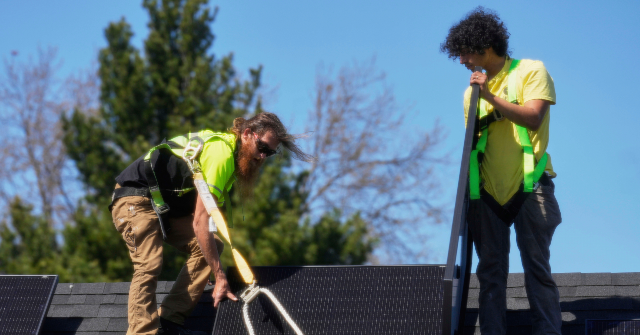
California's climate initiative has spent $49 million providing free solar panels to homeowners who are in the country illegally. The expenditure forms part of the state's broader clean-energy subsidy structure.
Why this matters
California ratepayers and taxpayers fund the program through utility surcharges and state budgets, influencing household energy costs and housing policy priorities.
Quick take
- Money Angle
- The program adds to state and utility ratepayer costs that ultimately appear in monthly electricity bills and tax obligations.
- Market Impact
- Solar panel installers and manufacturers active in California stand to gain additional contracted work from the allocations.
- Who Benefits
- Solar equipment suppliers and installation contractors receive guaranteed demand financed by public funds.
- Who Loses
- California utility customers and taxpayers absorb higher costs passed through rates and budgets.
- What to Watch Next
- Track the next California Public Utilities Commission meeting on climate program budget revisions.
Perspectives on this story
AI-generated analytical lenses meant to encourage you to think across multiple frames. Not attributed to any individual; not presented as fact.
Household Impact
How this affects family budgets, jobs, and day-to-day life.
California homeowners pay higher electricity rates that subsidize the installations regardless of immigration status.
America First View
How this lands for readers prioritizing American sovereignty, borders, and domestic industry.
State policies that extend public benefits to individuals present unlawfully test federal authority over immigration enforcement and benefit eligibility.
Institutional View
How established institutions -- agencies, courts, allied governments -- are likely to frame it.
California energy regulators apply existing climate statutes and budget appropriations to authorize the expenditures.
Civil Liberties View
How this reads through the lens of constitutional rights, free speech, and due process.
Eligibility rules for public benefits raise equal-protection and residency questions under state and federal law.
National Security View
How this matters for defense posture, intelligence, and adversary deterrence.
No direct national security implications are present in the solar subsidy program.
Adversary View
How foreign rivals are likely to frame this story. Not presented as fact and does not reflect the views of AFBytes.
No clear adversary framing applies to this story.
AFBytes analysis is AI-assisted and generated from source metadata, article summaries, and topic context. It is intended to help readers think through implications, not replace the original reporting from breitbart.com. See our AI and Summary Disclosure for details.