Monash Develops High-Temperature Hydrogen Fuel Cell Membrane
AFBytes Brief
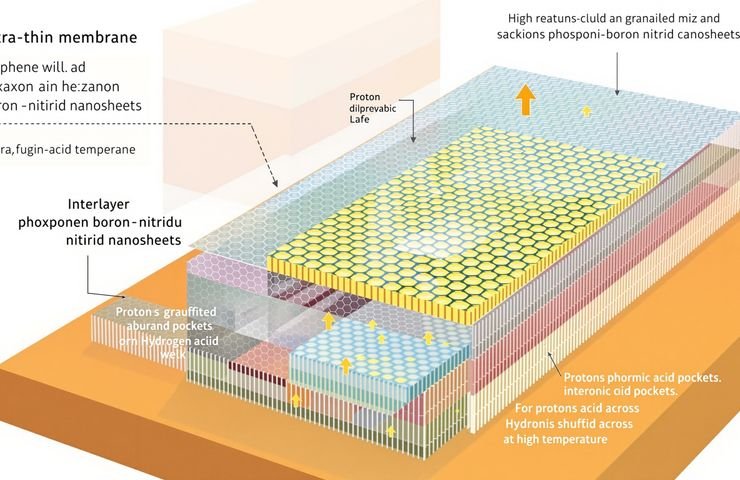
Monash University developed a graph-based nanosheet membrane for proton exchange. The membrane functions at 250 degrees Celsius. Researchers aim to improve durability and performance in hydrogen fuel cells.
Why this matters
Improved high-temperature membranes can raise fuel-cell efficiency and durability in heavy-duty and stationary applications. Better performance may eventually lower operating costs for hydrogen-powered vehicles and backup power. Commercialization timelines affect when these gains reach manufacturers and end users.
Quick take
- Money Angle
- Successful commercialization would shift capital toward advanced materials suppliers and away from conventional membrane producers.
- Market Impact
- Specialty materials and fuel-cell component makers may experience valuation gains if the technology scales.
- Who Benefits
- Monash University spinouts and hydrogen equipment firms gain access to higher-performance components.
- Who Loses
- Legacy membrane manufacturers face competitive pressure from higher-temperature alternatives.
- What to Watch Next
- Monitor peer-reviewed publications and patent filings from Monash for further performance data and licensing announcements.
Perspectives on this story
AI-generated analytical lenses meant to encourage you to think across multiple frames. Not attributed to any individual; not presented as fact.
Household Impact
How this affects family budgets, jobs, and day-to-day life.
More efficient hydrogen fuel cells could eventually reduce costs for backup power systems used by households in remote areas.
America First View
How this lands for readers prioritizing American sovereignty, borders, and domestic industry.
Domestic production of advanced fuel-cell membranes supports US goals for secure clean-energy supply chains.
Institutional View
How established institutions -- agencies, courts, allied governments -- are likely to frame it.
Standards bodies assess new membrane materials against existing safety and performance certification requirements.
Civil Liberties View
How this reads through the lens of constitutional rights, free speech, and due process.
No direct civil liberties implications arise from fuel-cell membrane research.
National Security View
How this matters for defense posture, intelligence, and adversary deterrence.
Improved hydrogen technologies strengthen domestic energy options for critical infrastructure and defense applications.
Adversary View
How foreign rivals are likely to frame this story. Not presented as fact and does not reflect the views of AFBytes.
No clear adversary framing applies to this story.
AFBytes analysis is AI-assisted and generated from source metadata, article summaries, and topic context. It is intended to help readers think through implications, not replace the original reporting from hydrogenfuelnews.com. See our AI and Summary Disclosure for details.