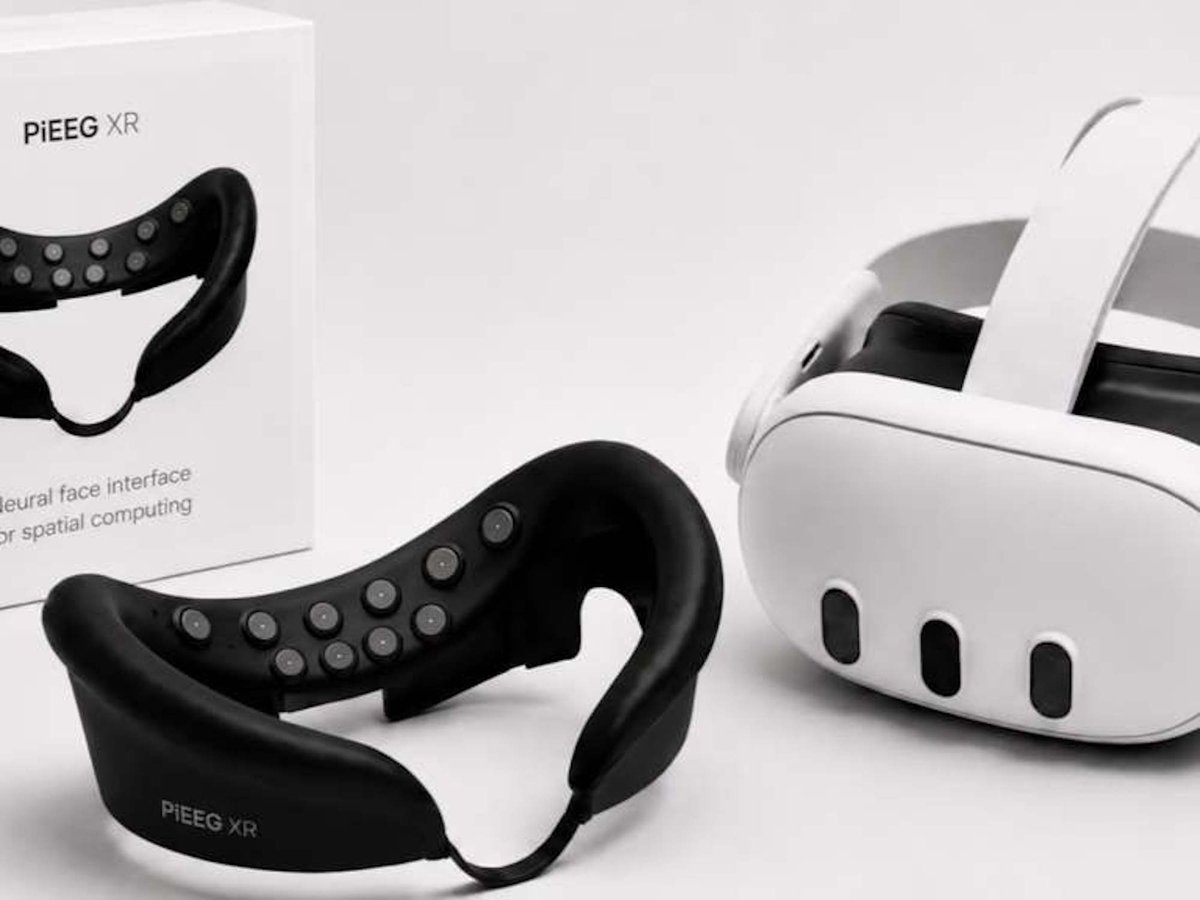
PiEEG XR device enables real-time brain activity tracking in VR
AFBytes Brief
The PiEEG XR is a neural interface built for spatial computing environments. It captures brain activity in real time to support new VR interaction methods. Developers expect the system to simplify certain control tasks inside virtual spaces.
Why this matters
Advances in neural interfaces could eventually change how users interact with computing devices in work and entertainment settings. Adoption rates will determine effects on productivity tools and consumer electronics markets.
Quick take
- Money Angle
- Hardware developers in the spatial computing sector may see new component demand if the interface gains traction.
- Market Impact
- Companies producing VR headsets and related sensors could experience modest interest if the technology integrates with existing platforms.
- Who Benefits
- Developers of brain-computer interface hardware gain visibility and potential partnership opportunities.
- Who Loses
- Traditional input device makers face incremental competition if neural interfaces scale.
- What to Watch Next
- Observe whether major VR platform companies announce compatibility testing with the PiEEG XR in upcoming developer updates.
Perspectives on this story
AI-generated analytical lenses meant to encourage you to think across multiple frames. Not attributed to any individual; not presented as fact.
Household Impact
How this affects family budgets, jobs, and day-to-day life.
Widespread adoption could eventually alter how consumers access entertainment and productivity applications.
America First View
How this lands for readers prioritizing American sovereignty, borders, and domestic industry.
Domestic hardware innovation supports U.S. leadership in emerging computing interfaces.
Institutional View
How established institutions -- agencies, courts, allied governments -- are likely to frame it.
Regulatory agencies would evaluate safety and data privacy standards if consumer versions reach the market.
Civil Liberties View
How this reads through the lens of constitutional rights, free speech, and due process.
Real-time brain data collection raises questions about neural privacy protections under existing data laws.
National Security View
How this matters for defense posture, intelligence, and adversary deterrence.
Advanced neural interfaces could intersect with defense research on human-machine teaming.
Adversary View
How foreign rivals are likely to frame this story. Not presented as fact and does not reflect the views of AFBytes.
Competitor nations may highlight their own parallel research programs in brain-computer interfaces.
AFBytes analysis is AI-assisted and generated from source metadata, article summaries, and topic context. It is intended to help readers think through implications, not replace the original reporting from notebookcheck.net. See our AI and Summary Disclosure for details.