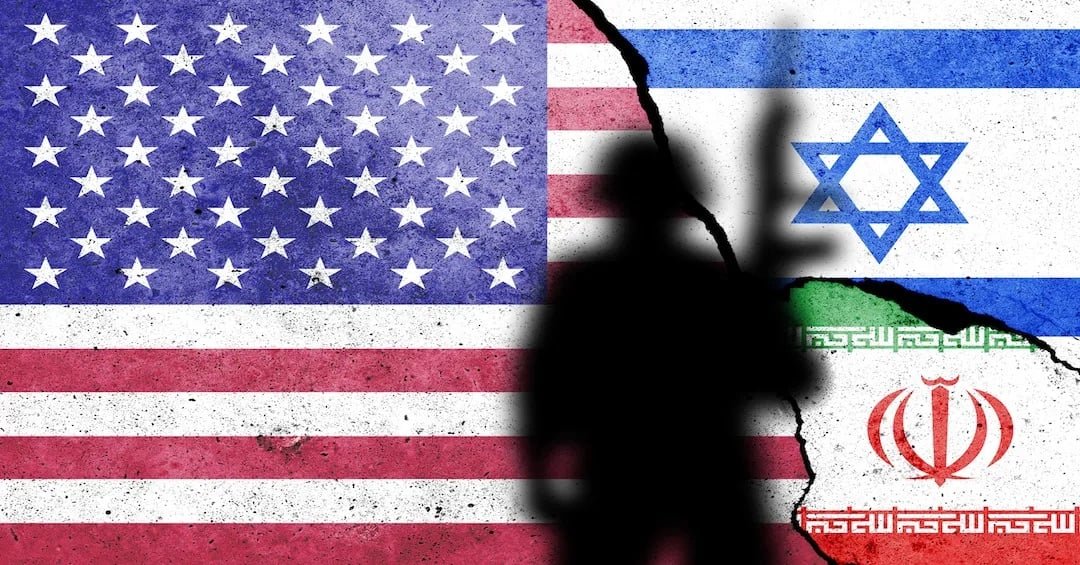
US-Israel-Iran War Narratives Shift
AFBytes Brief
White House declares Iran war over but operations continue. Questions arise on legality and narrative control. U.S.-Israel-Iran dynamics shift perceptions.
Why this matters
Conflict status affects U.S. troop risks and energy trade. Defense spending ties to taxpayer burdens. Foreign policy pulls on resources.
Quick take
- Money Angle
- Ongoing ops sustain defense budgets despite end claims.
- Market Impact
- Geopolitical risk premiums in oil markets fluctuate.
- Who Benefits
- Military contractors from extended engagements.
- Who Loses
- U.S. troops in prolonged risks.
- What to Watch Next
- Watch White House briefings for operation clarifications.
Perspectives on this story
AI-generated analytical lenses meant to encourage you to think across multiple frames. Not attributed to any individual; not presented as fact.
Household Impact
How this affects family budgets, jobs, and day-to-day life.
Gas prices stabilize if war truly ends. Families avoid war tax hikes. Safety from escalations.
America First View
How this lands for readers prioritizing American sovereignty, borders, and domestic industry.
Declarations smell of deep state spin. Demand full withdrawal. America First priority.
Institutional View
How established institutions -- agencies, courts, allied governments -- are likely to frame it.
Narrative control raises transparency issues. Push for congressional oversight. Peace diplomacy focus.
AFBytes analysis is AI-assisted and generated from source metadata, article summaries, and topic context. It is intended to help readers think through implications, not replace the original reporting from globalresearch.ca. See our AI and Summary Disclosure for details.