Indo-Pacific faces strategic fragmentation amid US-China talks
AFBytes Brief
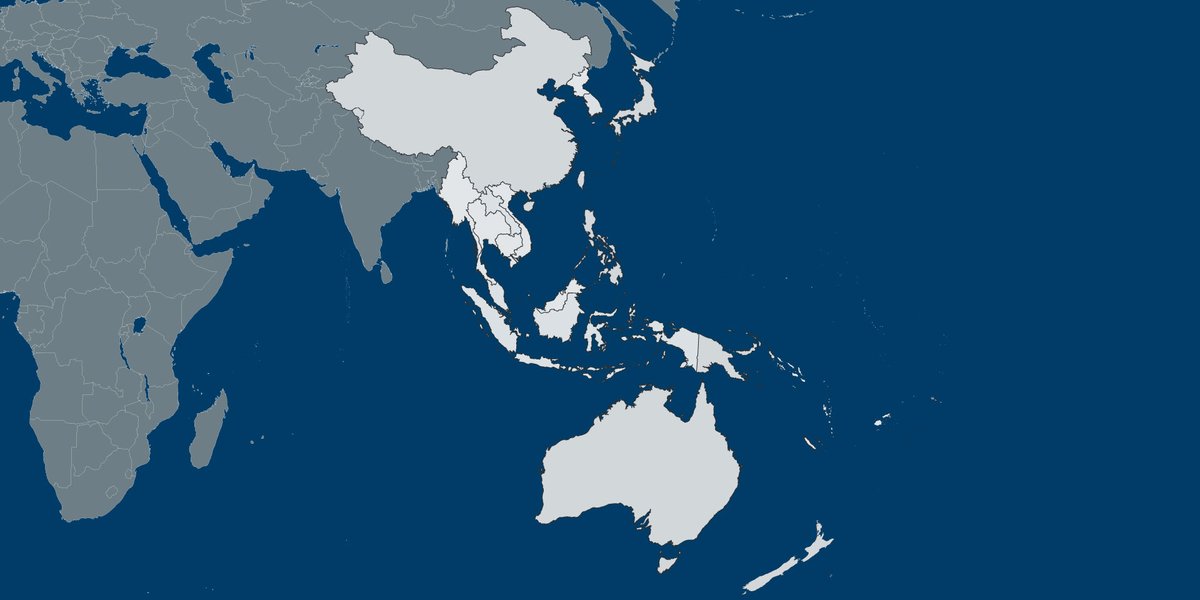
A recent meeting between President Trump and President Xi offered hope for strategic understanding. The region continues to see fragmentation in maritime influence.
Why this matters
Shifts in Indo-Pacific power balances affect global trade routes and U.S. alliance commitments with potential consequences for supply chains.
Quick take
- Money Angle
- Maritime power realignments can alter shipping costs and trade volumes through key sea lanes.
- Market Impact
- Energy and shipping sectors may see volatility if tensions rise or ease.
- Who Benefits
- Countries with strong naval presence may gain leverage in regional negotiations.
- Who Loses
- Smaller Indo-Pacific states risk being squeezed between competing powers.
- What to Watch Next
- Watch for follow-up diplomatic statements or naval exercises that indicate whether the summit produced concrete understandings.
Perspectives on this story
AI-generated analytical lenses meant to encourage you to think across multiple frames. Not attributed to any individual; not presented as fact.
Household Impact
How this affects family budgets, jobs, and day-to-day life.
Disruptions in Indo-Pacific shipping lanes can raise consumer prices for imported goods.
America First View
How this lands for readers prioritizing American sovereignty, borders, and domestic industry.
U.S. leverage in the region supports domestic industry protection and secure supply chains.
Institutional View
How established institutions -- agencies, courts, allied governments -- are likely to frame it.
U.S. and allied governments assess developments through treaty obligations and freedom of navigation principles.
Civil Liberties View
How this reads through the lens of constitutional rights, free speech, and due process.
No direct civil liberties issues are central to the maritime strategy discussion.
National Security View
How this matters for defense posture, intelligence, and adversary deterrence.
Maritime fragmentation raises questions about alliance management and critical sea lane protection.
Adversary View
How foreign rivals are likely to frame this story. Not presented as fact and does not reflect the views of AFBytes.
China is likely to present the summit as evidence of successful great-power diplomacy that counters U.S. containment efforts.
AFBytes analysis is AI-assisted and generated from source metadata, article summaries, and topic context. It is intended to help readers think through implications, not replace the original reporting from geopoliticalfutures.com. See our AI and Summary Disclosure for details.