Netanyahu's Secret UAE Visit Amid Iran Conflict
AFBytes Brief
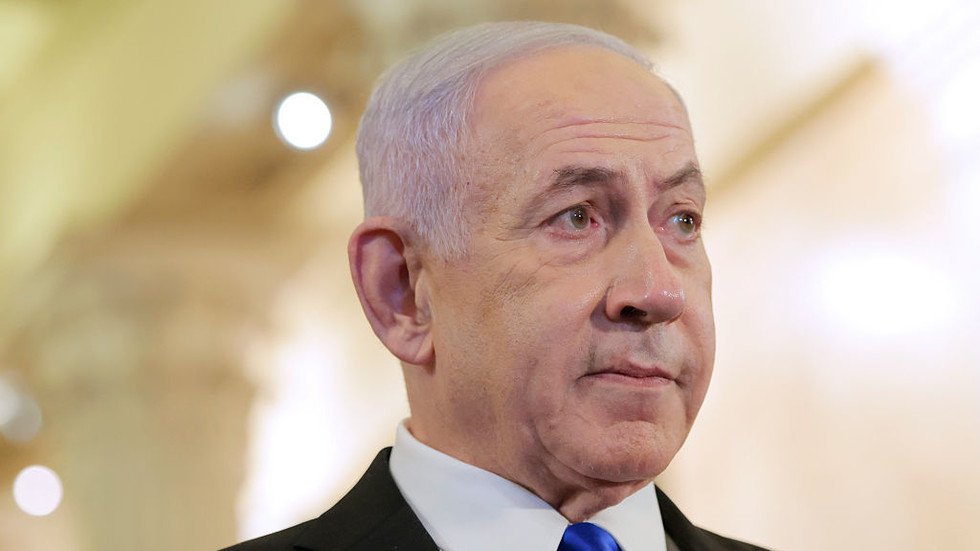
Israeli Prime Minister Benjamin Netanyahu made a covert visit to the UAE during escalated US-Israeli actions against Iran. The trip deepens Emirati involvement in regional conflicts. Discussions likely focused on strategic alignments amid tensions.
Why this matters
US alliances in Middle East wars influence foreign policy commitments, potentially drawing American troops or trade disruptions. Energy bills could rise if conflicts affect oil supplies from the region. Voters weigh implications for national security and taxpayer-funded aid.
Quick take
- Money Angle
- The UAE's deeper role boosts defense contracts and energy trade flows, but escalates fiscal exposure for US allies through military aid packages.
- Market Impact
- Oil futures may spike on perceived Middle East instability risks, impacting energy sectors tied to Gulf states.
- Who Benefits
- UAE gains strategic leverage and investment inflows from closer Israel ties amid anti-Iran coalitions.
- Who Loses
- Iran faces isolated pressure from expanded Arab-Israeli pacts challenging its regional influence.
- What to Watch Next
- Track official UAE-Israel statements post-visit for alliance signals that could shift war dynamics.
Perspectives on this story
AI-generated analytical lenses meant to encourage you to think across multiple frames. Not attributed to any individual; not presented as fact.
Household Impact
How this affects family budgets, jobs, and day-to-day life.
Families worry about gas prices climbing from Middle East flare-ups tied to such diplomacy, straining energy bills. Parents consider long-term troop risks in foreign entanglements. The stake is maintaining stability without higher costs at home.
America First View
How this lands for readers prioritizing American sovereignty, borders, and domestic industry.
They applaud strong alliances against Iran, seeing Netanyahu's moves as bold realism protecting US interests indirectly. This fits America First by burden-sharing with allies. Emphasis on countering threats without overcommitment.
Institutional View
How established institutions -- agencies, courts, allied governments -- are likely to frame it.
They express caution over escalations pulling the US deeper into wars, prioritizing diplomacy to avoid troop involvements. Concerns center on humanitarian costs and aid spending. Reactions stress multilateral de-escalation.
AFBytes analysis is AI-assisted and generated from source metadata, article summaries, and topic context. It is intended to help readers think through implications, not replace the original reporting from rt.com. See our AI and Summary Disclosure for details.