Trump Proposes Moving US Troops from Germany to Poland
AFBytes Brief
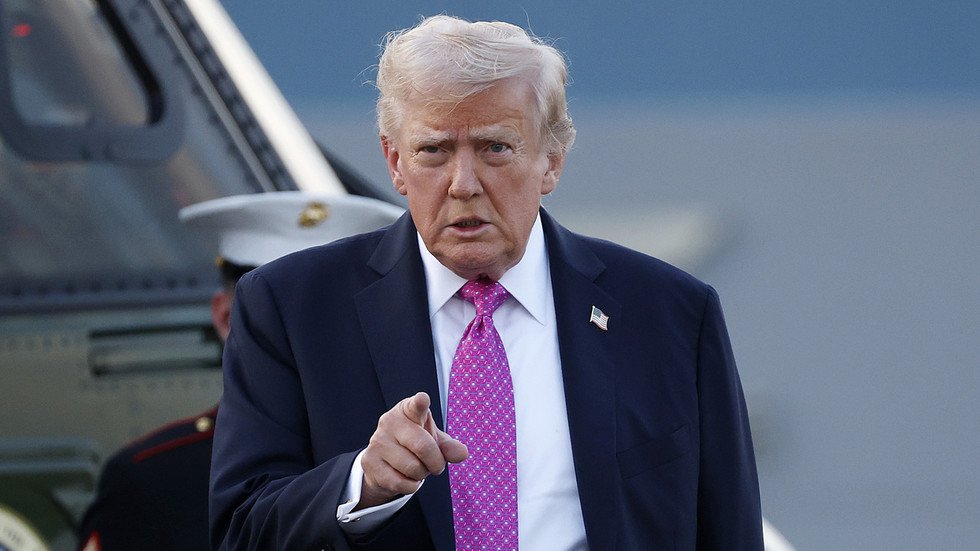
President Trump proposed relocating U.S. troops stationed in Germany to Poland. He intensified criticism of NATO allies regarding their involvement in the Middle East conflict. This move signals potential shifts in U.S. military positioning within Europe.
Why this matters
This development affects American foreign policy by altering troop deployments that influence alliances and defense spending commitments. U.S. taxpayers fund these overseas bases, so relocations could impact military budgets and readiness. It also shapes NATO dynamics, potentially pulling the U.S. into European security tensions.
Quick take
- What to Watch Next
- Watch for official announcements from the Pentagon on troop movements, which would confirm if the proposal advances.
Three takes on this
AI-generated framings meant to encourage you to think. Not attributed to any individual; not presented as fact.
Everyday American
Will this make day-to-day life better or worse for my family?
This could mean fewer U.S. troops in Western Europe, potentially affecting family members serving overseas through changed postings. It raises questions about defense spending efficiency, as taxpayers foot the bill for these bases. Working families might see indirect benefits if relocations cut costs without reducing security.
MAGA Republicans
What this likely confirms or alarms in their worldview.
They would view this as Trump enforcing fair burden-sharing within NATO, pressuring allies to pay more for their own defense. This aligns with skepticism toward endless foreign entanglements and favoritism toward countries like Germany. It reinforces a worldview prioritizing American interests over subsidizing Europe.
Democrats
What this likely confirms or alarms in their worldview.
They would express concern over weakening NATO unity at a time of global tensions, seeing it as impulsive diplomacy. This fits worries about eroding alliances that have stabilized Europe post-Cold War. It prompts fears of increased U.S. isolationism harming long-term security partnerships.