Samsung Galaxy Ring AC control feature explained
AFBytes Brief
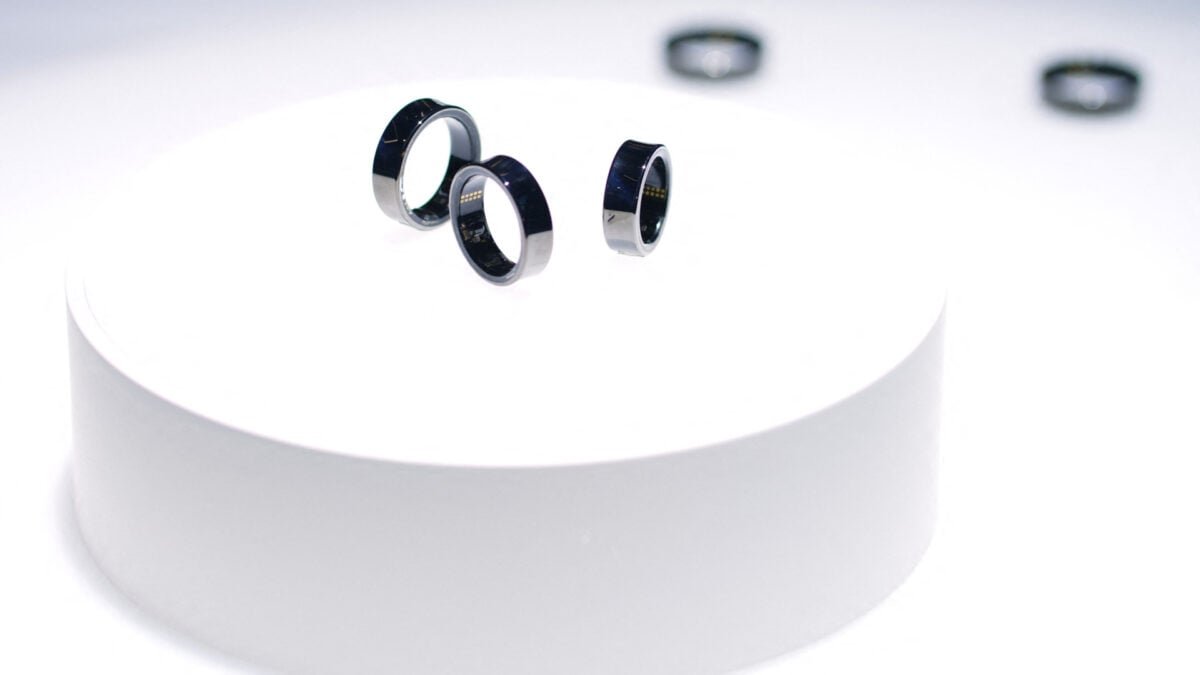
Samsung has enabled the Galaxy Ring to control compatible air conditioners during sleep. The feature requires both a Samsung AC unit and a Galaxy wearable device to function.
Why this matters
The integration affects household energy use and comfort through automated temperature adjustments tied to sleep tracking. Homeowners may see modest changes in electricity costs depending on usage patterns.
Quick take
- Money Angle
- The pairing could influence household electricity spending by optimizing AC runtime based on sleep data.
- Market Impact
- Samsung device sales and smart appliance segments may see modest positive movement from expanded feature adoption.
- Who Benefits
- Samsung benefits through increased ecosystem lock-in and potential hardware upsell.
- Who Loses
- Competing wearable and AC brands lose ground as users stay within the Samsung platform.
- What to Watch Next
- Watch for Samsung earnings reports that break out wearable and appliance revenue to gauge adoption.
Perspectives on this story
AI-generated analytical lenses meant to encourage you to think across multiple frames. Not attributed to any individual; not presented as fact.
Household Impact
How this affects family budgets, jobs, and day-to-day life.
Users may experience more consistent nighttime temperatures that could modestly affect monthly utility bills.
America First View
How this lands for readers prioritizing American sovereignty, borders, and domestic industry.
The feature reinforces domestic manufacturing and technology integration within U.S. households.
Institutional View
How established institutions -- agencies, courts, allied governments -- are likely to frame it.
Regulators would examine data privacy practices around sleep and home climate information under existing consumer protection statutes.
Civil Liberties View
How this reads through the lens of constitutional rights, free speech, and due process.
Sleep and home environment data collection raises questions about personal privacy boundaries in connected devices.
National Security View
How this matters for defense posture, intelligence, and adversary deterrence.
Widespread smart home device adoption increases the attack surface for critical infrastructure targeting.
Adversary View
How foreign rivals are likely to frame this story. Not presented as fact and does not reflect the views of AFBytes.
China may highlight U.S. reliance on foreign consumer electronics supply chains in its domestic messaging.
AFBytes analysis is AI-assisted and generated from source metadata, article summaries, and topic context. It is intended to help readers think through implications, not replace the original reporting from gizmodo.com. See our AI and Summary Disclosure for details.