Trump Cabinet Shapes Foreign Policy Beyond Rhetoric
AFBytes Brief
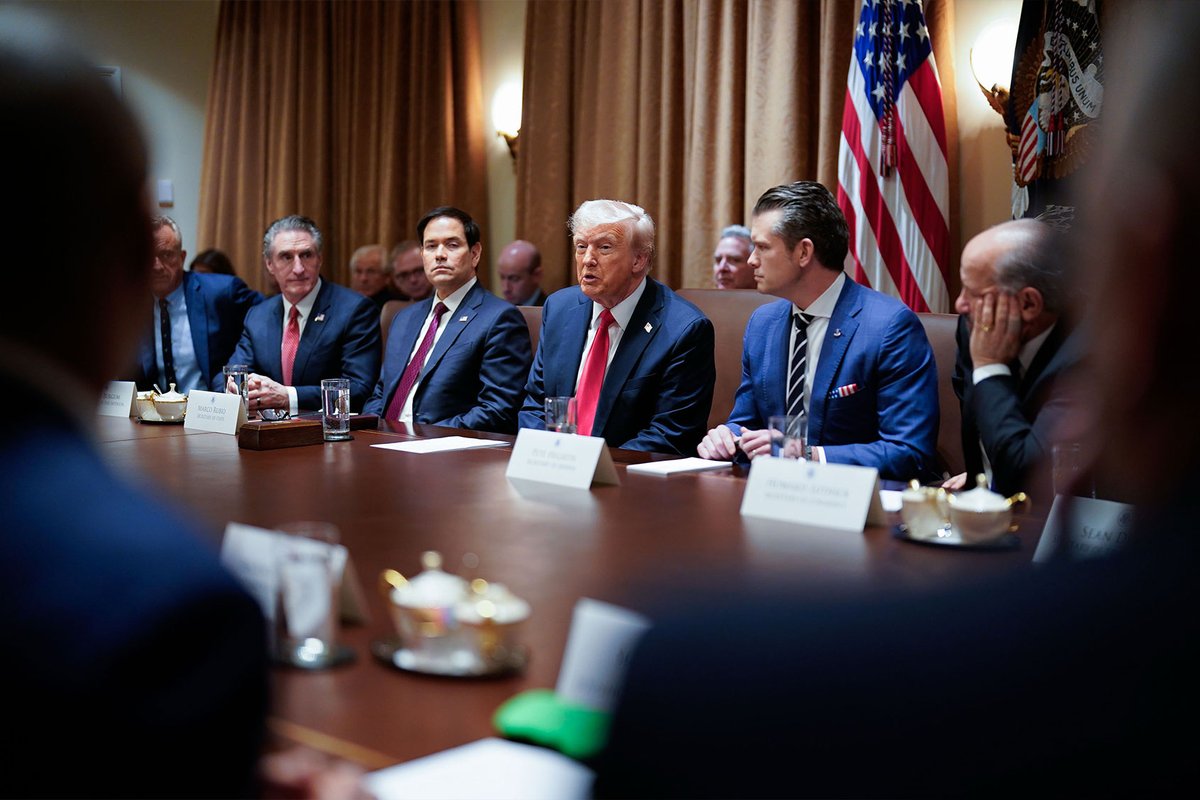
The article distinguishes between presidential statements and actions taken by department heads. Cabinet members have driven measurable changes in foreign policy direction. The analysis suggests statements alone no longer serve as reliable guides to actual outcomes.
Why this matters
Cabinet-level decisions affect trade agreements, military posture, and alliance commitments that shape U.S. global engagement. These choices influence export markets for American firms and security commitments for partners. Domestic industries tied to defense and trade feel direct effects.
Quick take
- What to Watch Next
- Follow Senate confirmation hearings and agency budget submissions for indications of sustained policy direction.
Perspectives on this story
AI-generated analytical lenses meant to encourage you to think across multiple frames. Not attributed to any individual; not presented as fact.
Household Impact
How this affects family budgets, jobs, and day-to-day life.
Trade and security policies can affect prices of imported goods and job availability in export-oriented sectors.
America First View
How this lands for readers prioritizing American sovereignty, borders, and domestic industry.
Cabinet actions on trade and alliances directly shape the balance between domestic industry protection and international commitments.
Institutional View
How established institutions -- agencies, courts, allied governments -- are likely to frame it.
Department secretaries operate under statutory delegations that define the scope of executive authority in foreign affairs.
Civil Liberties View
How this reads through the lens of constitutional rights, free speech, and due process.
Foreign policy implementation occasionally intersects with sanctions regimes that raise due-process questions for designated entities.
National Security View
How this matters for defense posture, intelligence, and adversary deterrence.
Personnel and resource decisions at State and Defense departments alter alliance management and deterrence posture.
AFBytes analysis is AI-assisted and generated from source metadata, article summaries, and topic context. It is intended to help readers think through implications, not replace the original reporting from salon.com. See our AI and Summary Disclosure for details.