Trump Vulgarity Effect on Public Discourse
AFBytes Brief
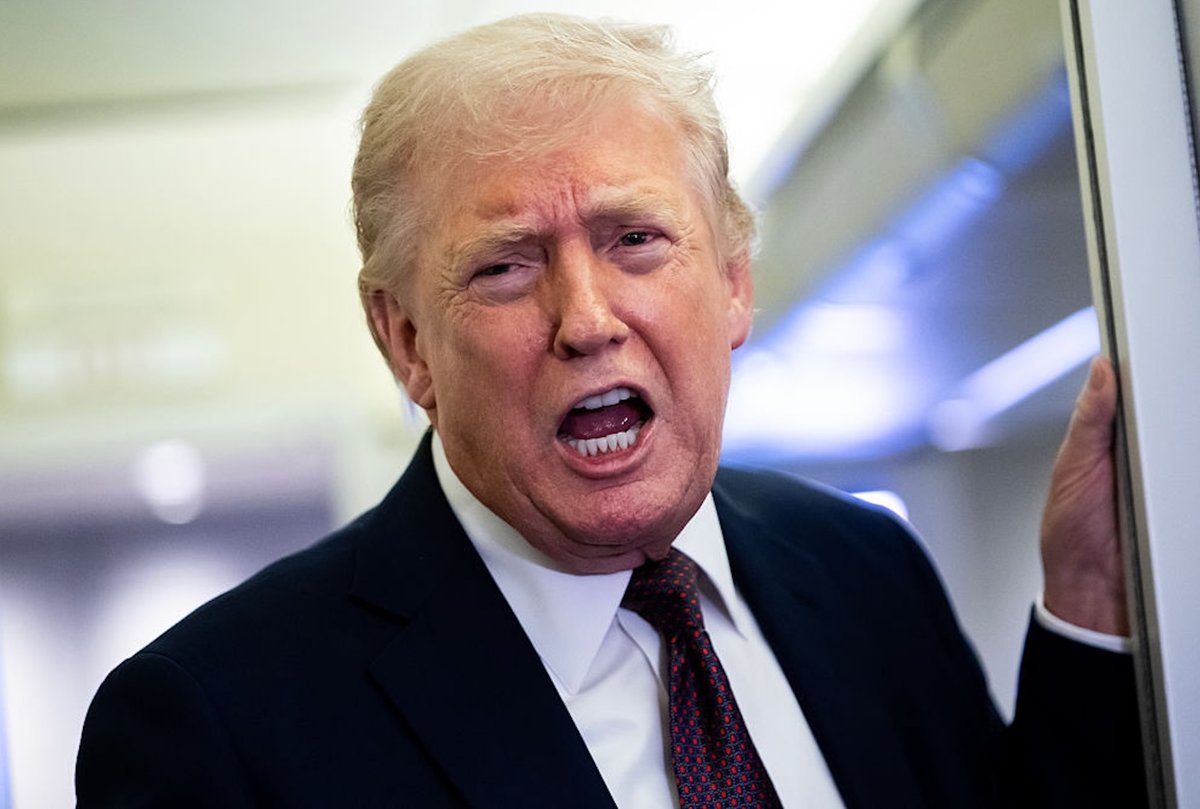
The article argues that the president's language choices form a deliberate foundation for broader political aims. It frames vulgarity not as a side trait but as central to reshaping norms. The piece connects this behavior to long-term effects on governance and public trust.
Why this matters
The tone set by the president influences standards of conduct across institutions and media. Shifts in acceptable language can affect how political debates are conducted and received by voters. This dynamic touches civil liberties through its impact on open discourse.
Quick take
- What to Watch Next
- Watch upcoming congressional hearings on executive communications for signals on institutional responses.
Perspectives on this story
AI-generated analytical lenses meant to encourage you to think across multiple frames. Not attributed to any individual; not presented as fact.
Household Impact
How this affects family budgets, jobs, and day-to-day life.
Changes in public discourse standards can influence how families discuss politics at home and interpret news coverage.
America First View
How this lands for readers prioritizing American sovereignty, borders, and domestic industry.
Domestic political norms affect the country's ability to project consistent leadership abroad and maintain internal cohesion.
Institutional View
How established institutions -- agencies, courts, allied governments -- are likely to frame it.
Federal agencies and courts evaluate executive statements through established legal and procedural frameworks rather than personal style.
Civil Liberties View
How this reads through the lens of constitutional rights, free speech, and due process.
First Amendment protections for speech remain central, with debates focusing on the boundary between protected expression and institutional influence.
National Security View
How this matters for defense posture, intelligence, and adversary deterrence.
Rhetoric from senior leaders can shape adversary perceptions of U.S. resolve and alliance reliability.
AFBytes analysis is AI-assisted and generated from source metadata, article summaries, and topic context. It is intended to help readers think through implications, not replace the original reporting from salon.com. See our AI and Summary Disclosure for details.
Discussion on
Trending posts from X.
It's been a long journey — 6 years and 381 chips to be exact — but HUAWEI's He Tingbo explains how HUAWEI's high-end chips are now expected to feature a transistor density that is equivalent to 14 Å (1.4 nm) processes by 2031. pic.twitter.com/QcxKXdMfU6
— Huawei (@Huawei) May 25, 2026