UK Considers Joining EU 90B Ukraine Loan Scheme
AFBytes Brief
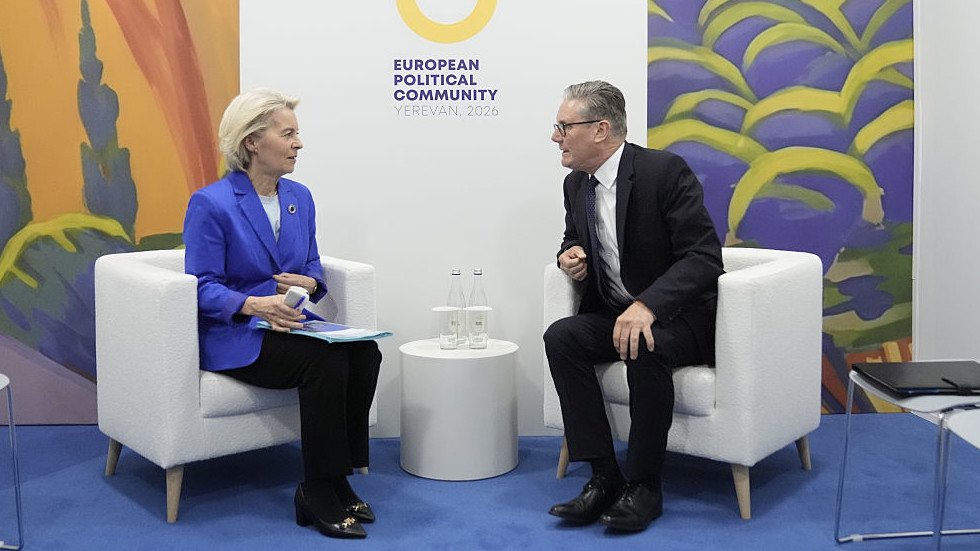
Britain is evaluating participation in the European Union's €90 billion loan program for Ukraine. Joining would provide access to defense contracts while requiring Britain to contribute to the financing costs. This move signals shifting alignments in European support for Ukraine.
Why this matters
European financing for Ukraine affects U.S. foreign policy by influencing burden-sharing in aid commitments. American taxpayers fund substantial Ukraine support, and changes in European contributions could alter U.S. fiscal exposure. Shifts in allied funding also impact global stability and energy markets tied to the conflict.
Perspectives on this story
AI-generated analytical lenses meant to encourage you to think across multiple frames. Not attributed to any individual; not presented as fact.
Household Impact
How this affects family budgets, jobs, and day-to-day life.
This development has limited direct impact on daily family budgets or local jobs. Indirectly, sustained European funding could ease pressure on U.S. aid contributions, potentially stabilizing taxpayer dollars allocated to foreign assistance. Families might see minor relief if it reduces overall U.S. spending demands.
America First View
How this lands for readers prioritizing American sovereignty, borders, and domestic industry.
They would view UK joining EU funding skeptically as another layer of endless foreign entanglements. This fits concerns about America footing bills for allies who should handle their own defenses. It reinforces calls to prioritize U.S. interests over European welfare.
Institutional View
How established institutions -- agencies, courts, allied governments -- are likely to frame it.
They would welcome increased European commitment as shared responsibility in supporting Ukraine against aggression. This aligns with values of multilateral alliances strengthening global security. It reduces risks of U.S. isolation in countering authoritarian threats.
AFBytes analysis is AI-assisted and generated from source metadata, article summaries, and topic context. It is intended to help readers think through implications, not replace the original reporting from rt.com. See our AI and Summary Disclosure for details.
Discussion on
Trending posts from X.
William Ruto’s government has taken a Sh6.1 billion loan from Israel to buy the SPYDER air defense system.
— Sholla Ard 🇰🇪 (@sholard_mancity) May 5, 2026
Yet hospitals lack equipment. Schools lack funding. The cost of living is crushing Kenyans.
Kenya is not at war. We are not under missile threat. So why are we borrowing… pic.twitter.com/gyppW1HeNY
Good morning Patriots. Here is your morning dose of anger. Have it on an empty stomach for maximum absorption.
— DismasWaTabu (@DismasWaTabu) May 5, 2026
Kenya securing a multibillion loan for missile defense raises an important question of priorities.
Yes, security matters and no country can ignore real threats. But… pic.twitter.com/JX45qIjar2