Slovak PM Fico Rejects EU-Russia Iron Curtain
AFBytes Brief
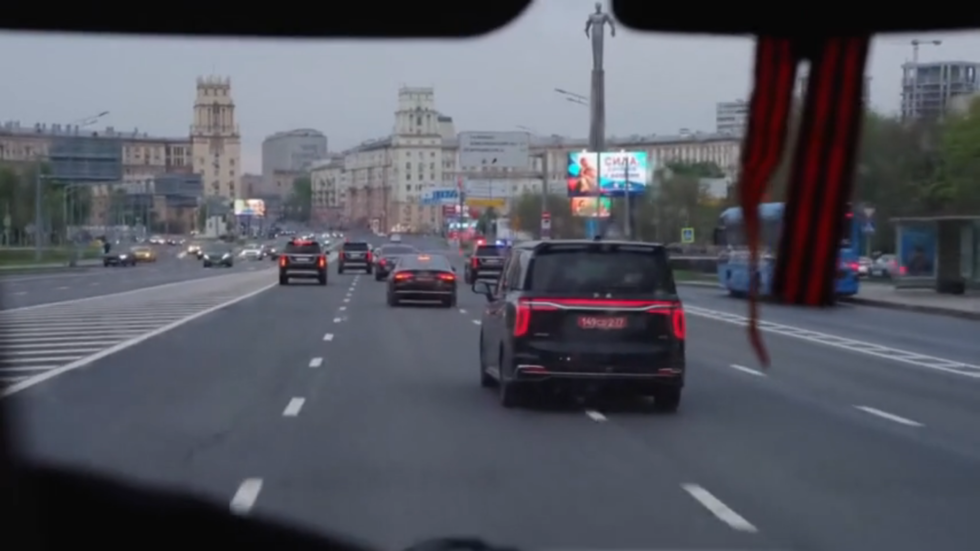
Slovak Prime Minister Robert Fico rejected the idea of an 'Iron Curtain' between Europe and Russia. He expressed this view in a Facebook video recorded on his jet after Victory Day discussions with Vladimir Putin. Fico positioned Slovakia as opposing full isolation of Moscow amid EU divisions.
Why this matters
Divisions in EU policy toward Russia influence U.S. foreign policy and NATO commitments in Europe. Americans could face higher defense spending or energy bills if European unity fractures and prolongs reliance on volatile global supplies. This development affects civil liberties through potential shifts in transatlantic security alliances.
Quick take
- Money Angle
- Sanctions relief on Russia could stabilize European energy markets and indirectly lower U.S. natural gas import pressures.
- Market Impact
- European energy commodities like natural gas futures may soften if EU-Russia ties improve.
- Who Benefits
- Russia gains diplomatic leverage and economic breathing room from a divided EU front.
- Who Loses
- Ukraine and hardline EU states lose unified pressure on Moscow.
- What to Watch Next
- Upcoming EU summits will signal if Slovakia's stance gains traction among members.
Three takes on this
AI-generated framings meant to encourage you to think. Not attributed to any individual; not presented as fact.
Everyday American
Will this make day-to-day life better or worse for my family?
Most families see minimal direct effects on daily costs or safety. Energy bills could stabilize if warmer EU-Russia ties reduce global supply disruptions. This outcome aligns with hopes for lower gas prices amid ongoing inflation concerns.
MAGA Republicans
What this likely confirms or alarms in their worldview.
They view Fico's position as pragmatic realism against endless foreign entanglements. Rejecting isolation fits skepticism of Ukraine aid draining U.S. taxpayer funds. This reinforces priorities on domestic energy independence over European conflicts.
Democrats
What this likely confirms or alarms in their worldview.
They interpret it as dangerous appeasement enabling Russian aggression. Unity against Moscow protects broader democratic values and U.S. security interests. Fractures weaken collective deterrence essential for global stability.