Scholar Labs AI Scholar Search Tool Launch
AFBytes Brief
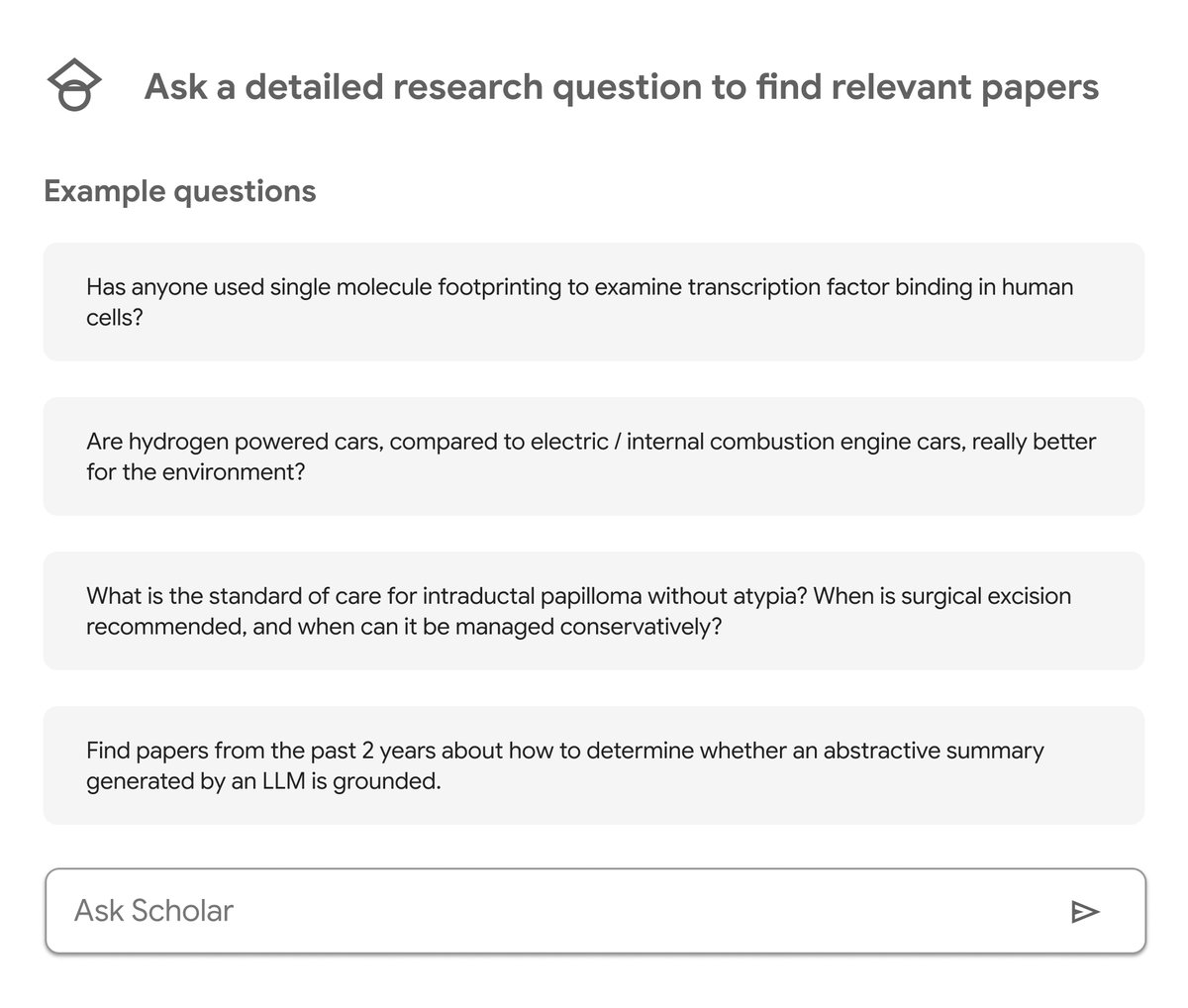
Scholar Labs provides an AI interface for handling detailed research questions. The tool aims to examine topics from several perspectives at once. It builds on the existing Scholar platform with new capabilities for synthesis.
Why this matters
New AI tools for academic research can change how students and professionals locate and synthesize information across disciplines. Faster access to multi-angle analysis may reduce time spent on literature reviews. This affects education costs and research productivity for users in universities and labs.
Perspectives on this story
AI-generated analytical lenses meant to encourage you to think across multiple frames. Not attributed to any individual; not presented as fact.
Household Impact
How this affects family budgets, jobs, and day-to-day life.
Students and researchers may spend less time gathering sources, indirectly affecting education expenses and project timelines.
America First View
How this lands for readers prioritizing American sovereignty, borders, and domestic industry.
Improved domestic research tools can strengthen U.S. scientific output and self-reliance in knowledge production.
Institutional View
How established institutions -- agencies, courts, allied governments -- are likely to frame it.
Universities and libraries may evaluate integration of the new interface under existing access agreements and data policies.
Civil Liberties View
How this reads through the lens of constitutional rights, free speech, and due process.
No clear civil liberties implications arise from an academic search enhancement at this stage.
National Security View
How this matters for defense posture, intelligence, and adversary deterrence.
No direct national security implications are evident from the research tool announcement.
Adversary View
How foreign rivals are likely to frame this story. Not presented as fact and does not reflect the views of AFBytes.
No clear adversary framing applies to this story.
AFBytes analysis is AI-assisted and generated from source metadata, article summaries, and topic context. It is intended to help readers think through implications, not replace the original reporting from scholar.googleblog.com. See our AI and Summary Disclosure for details.